
How to Choose an Industrial Dryer
Quick Answer
Choose an industrial dryer by defining the material, moisture duty, temperature limit, batch and daily production requirements, loading method, site conditions and control scope before comparing equipment. The correct decision is a process and system choice, not a model-number choice. Ask suppliers to state the design basis, measurement boundary, room and airflow assumptions, utilities, exclusions and information still requiring material testing.
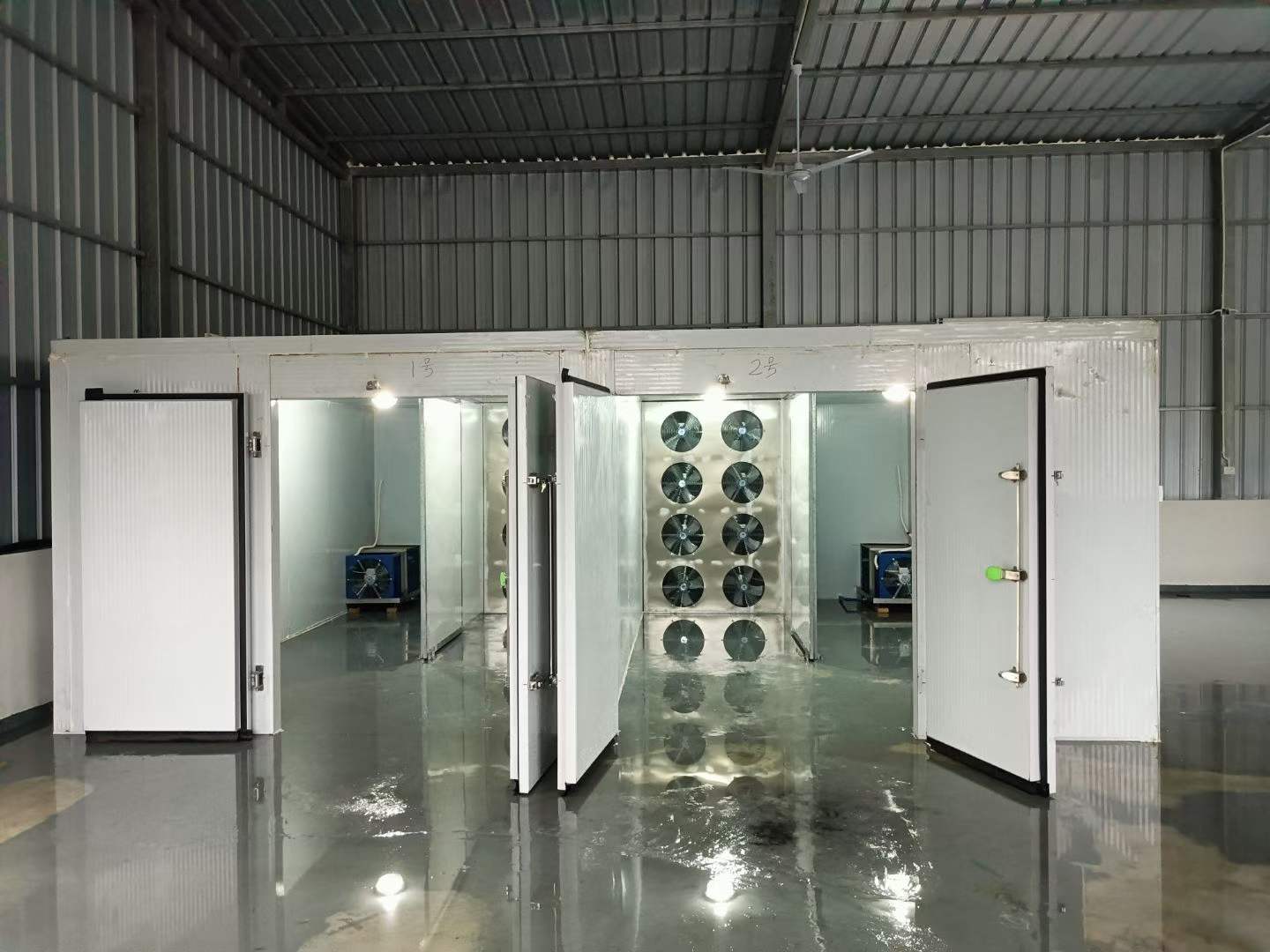
The product defines the process questions.
Material Form
Record dimensions, cut size, whole or sliced condition, bulk density, fragility, stickiness and preparation before loading.
Moisture
Provide representative initial and target moisture values using the same wet- or dry-basis definition and a credible endpoint method.
Temperature Limit
State verified material constraints and whether the process requires stages rather than one fixed temperature.
Quality Priorities
Define measurable acceptance criteria relevant to the material instead of relying on broad quality claims.
Use the moisture removal calculation before discussing equipment duty. When process time is uncertain, testing or validated material data should be identified as an open item.
Separate batch load from daily throughput.
Batch capacity is the fresh material loaded for one cycle. Daily throughput depends on complete cycles that fit the actual operating hours. Preparation, loading, effective drying time, unloading, cleaning and reset all consume schedule time. A larger room does not guarantee more daily production if airflow, loading density or turnaround becomes limiting.
| Buyer input | What the supplier should explain |
|---|---|
| Fresh load per batch | Tray, rack, trolley or bulk arrangement and the assumed material depth or loading density. |
| Daily target | How many complete batches fit the operating schedule and which time assumptions require validation. |
| Moisture duty | Estimated water removed per batch and the calculation basis. |
| Process time | Whether the value comes from testing, approved project data or an unverified assumption. |
Review the existing How to Size a Heat Pump Dryer guide instead of using a generic model selector.
Compare the complete moisture and air path.
Open-Loop
May be considered when planned fresh-air intake and exhaust suit the climate, material and site. Intake condition and room pressure require review.
Closed-Loop
Recirculates process air and may remove moisture through condensation. Room leakage, coil duty and condensate drainage require review.
Batch System
Processes defined loads through preparation, loading, controlled stages and unloading. Workflow and cycle validation are central to throughput.
Dehumidification System
Creates a controlled condensation path for water vapor. The air circuit, room, drainage and complete energy boundary still determine suitability.
Use the open-loop versus closed-loop comparison, batch drying guide and dehumidification drying guide to identify unresolved engineering questions.
The loaded room is part of the dryer.
Compare proposals using the real material support and airflow path. Trays, perforations, product depth, rack spacing and trolley position create resistance. Supply air should reach the load and return without large bypass paths. Room dimensions should include usable loading space, ducts, door movement, cleaning and maintenance access.
- Drying room: insulation, seals, doors, drainage and vapor behavior.
- Loading hardware: tray open area, rack spacing, trolley clearance and handling method.
- Airflow: supply direction, return location, pressure loss, fan duty and verification points.
- Workflow: preparation, staging, loading, unloading and cleaning without blocking service access.
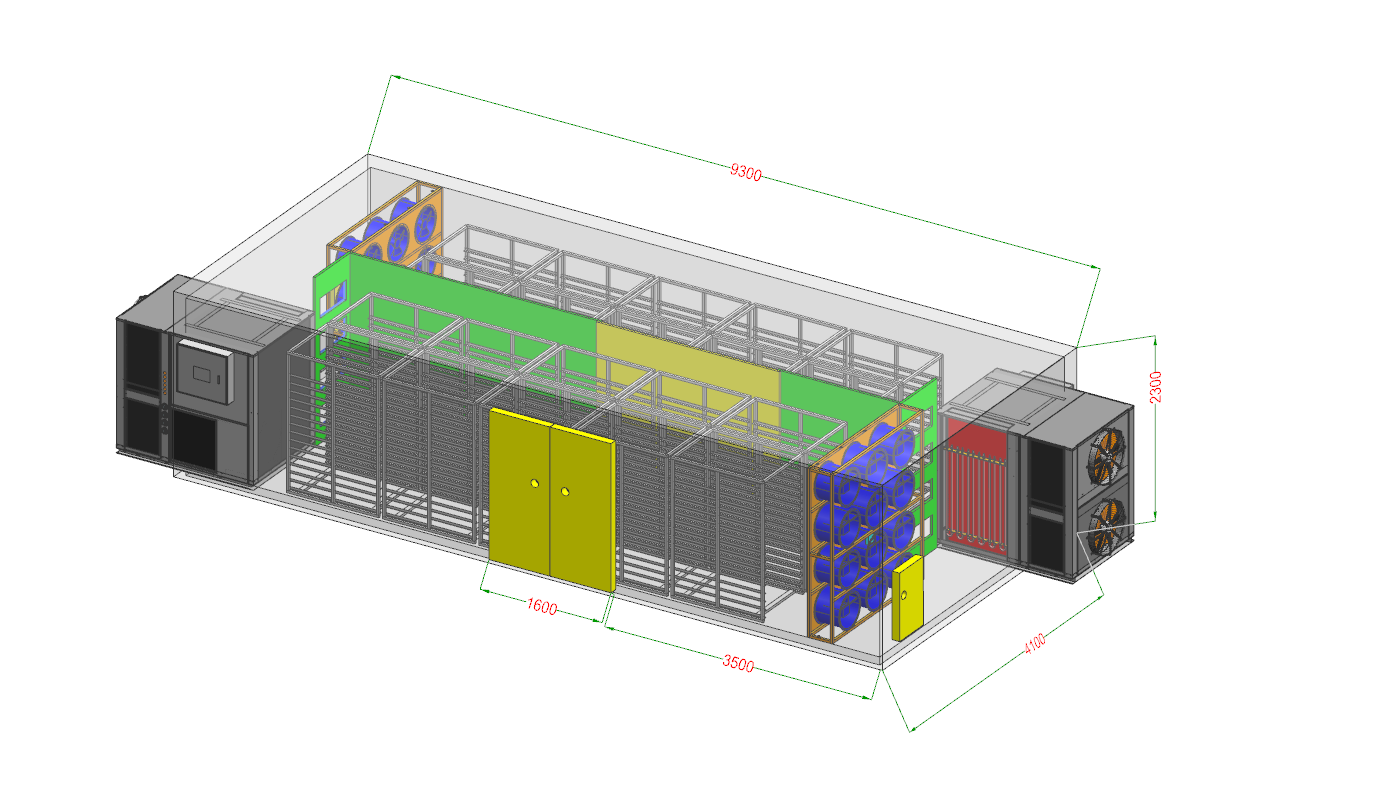
Confirm what is supplied, measured and maintained.
Control scope should state temperature and humidity sensors, operating stages, fan and damper logic, alarms, records and responses to abnormal conditions. Installation scope should identify electrical supply, panel location, drainage, intake and exhaust ducts, foundations or supports, weather protection, delivery access and service clearances. Maintenance review should cover filters, fans, heat exchangers, drains, refrigeration components and sensors.
Use the industrial dryer installation requirements and PLC drying control pages to compare scope rather than assuming that every quotation includes the same work.
Ask for a traceable design basis.
| Check | Evidence or clarification required |
|---|---|
| Material basis | Exact product form, preparation, fresh load, moisture values and temperature constraints. |
| Capacity basis | Batch load, water-removal duty, assumed cycle basis and daily workflow. |
| System architecture | Process-air path, moisture-discharge method, room boundary and climate assumptions. |
| Equipment scope | Heat-pump modules, fans, controls, loading hardware, room work and stated exclusions. |
| Utilities and site | Electrical, drainage, intake, exhaust, foundations, access and responsibility boundaries. |
| Verification plan | Information or testing still needed, commissioning checks and agreed process observations. |
Industrial dryer selection questions
What size dryer do I need?
Size from fresh load, water-removal duty, validated process time, loading arrangement, airflow, climate and schedule. Use the existing sizing guide.
Is closed-loop always the better option?
No. Architecture depends on material, climate, moisture path, room, controls, site and operating requirements.
Can two quotations be compared by machine power?
Not reliably. Compare design basis, included loads, room and airflow scope, batch duty, exclusions and verification plan.
What should an RFQ contain?
Provide material, moisture, capacity, schedule, loading, site and utility information using the RFQ preparation guide.
Move from selection questions to a project brief.
Choose the system from documented project inputs.
Share the material, moisture, load, schedule, loading method, site conditions and available process information for an engineering review.