
Industrial Heat Pump Drying Systems
Engineering and custom industrial drying solutions built around material, moisture, capacity, climate, airflow and control requirements.
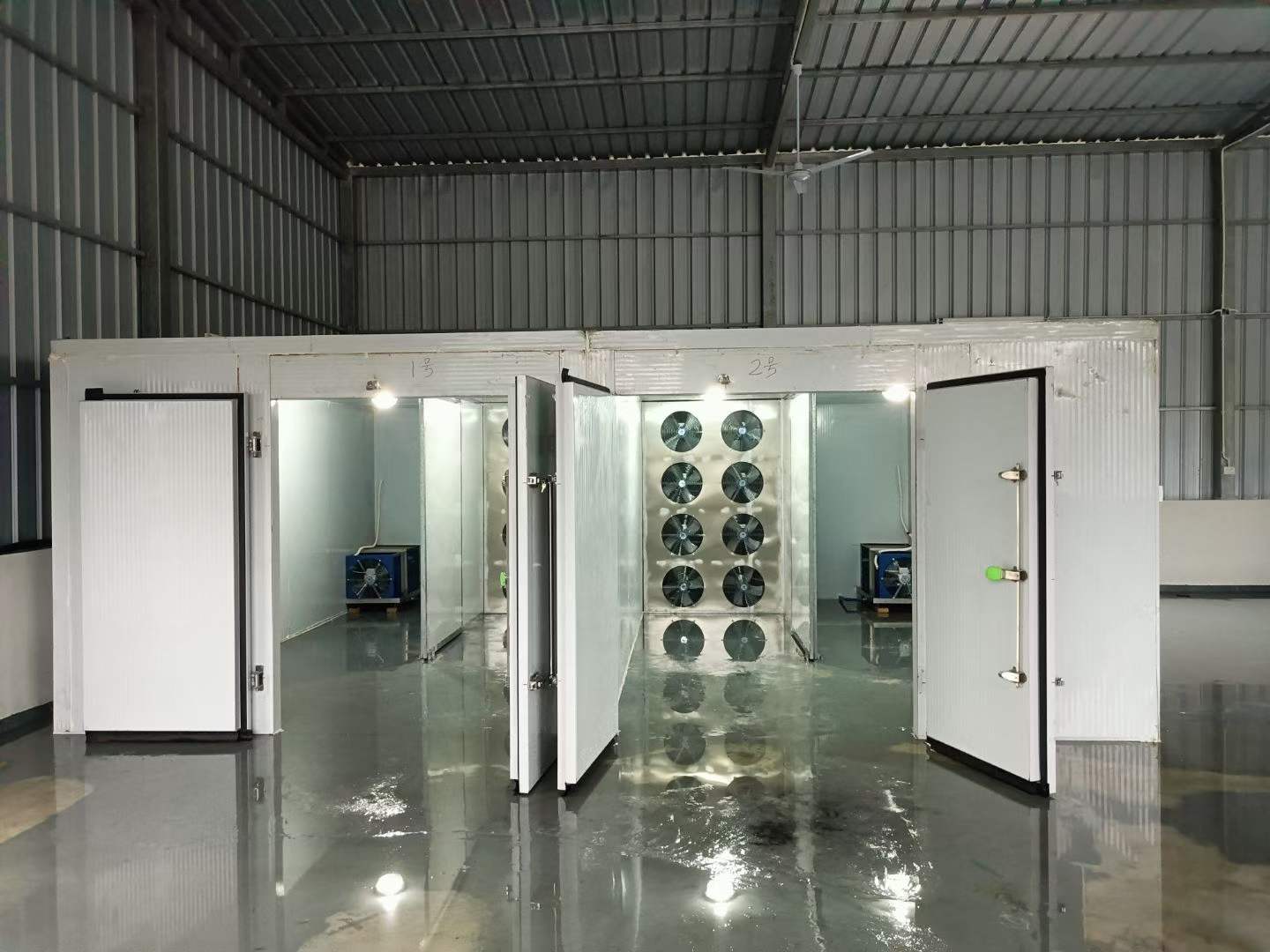
The drying system starts with the process.
HPDRYER reviews the inputs below before discussing a complete industrial drying solution.
Material
Material type, preparation, dimensions and handling method.
Initial Moisture
Starting moisture condition and available test information.
Target Moisture
Required endpoint or dried condition where known.
Capacity
Fresh quantity, batch size, schedule and loading workflow.
Temperature and Climate
Product limits, desired process conditions and local ambient climate.
Moisture Removal and Control
Moisture discharge, airflow, sensors, automation and PLC expectations.
Four ways to frame the system review.
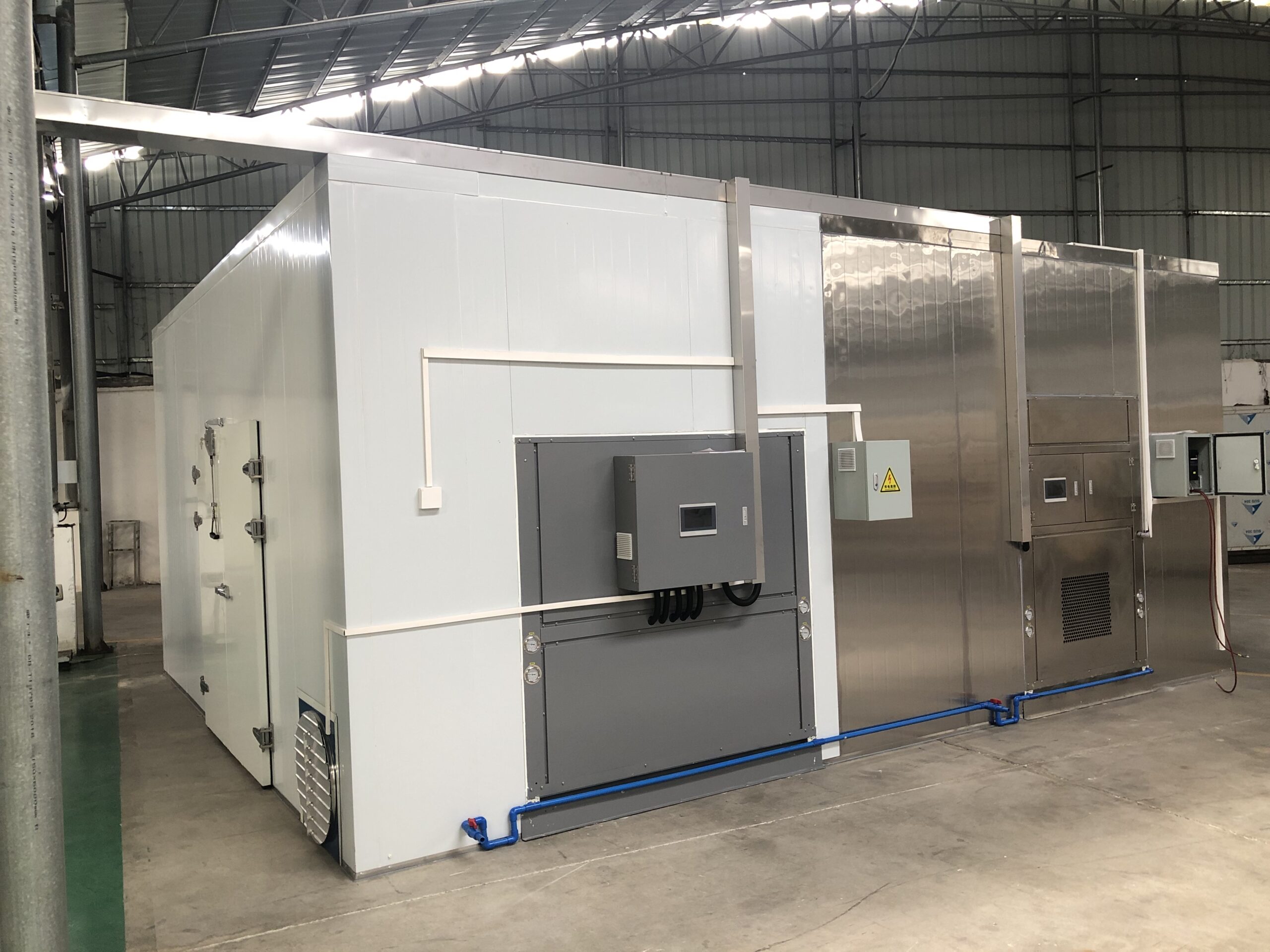
Closed-Loop Systems
Recirculated process air and controlled moisture removal are reviewed with room and material requirements.
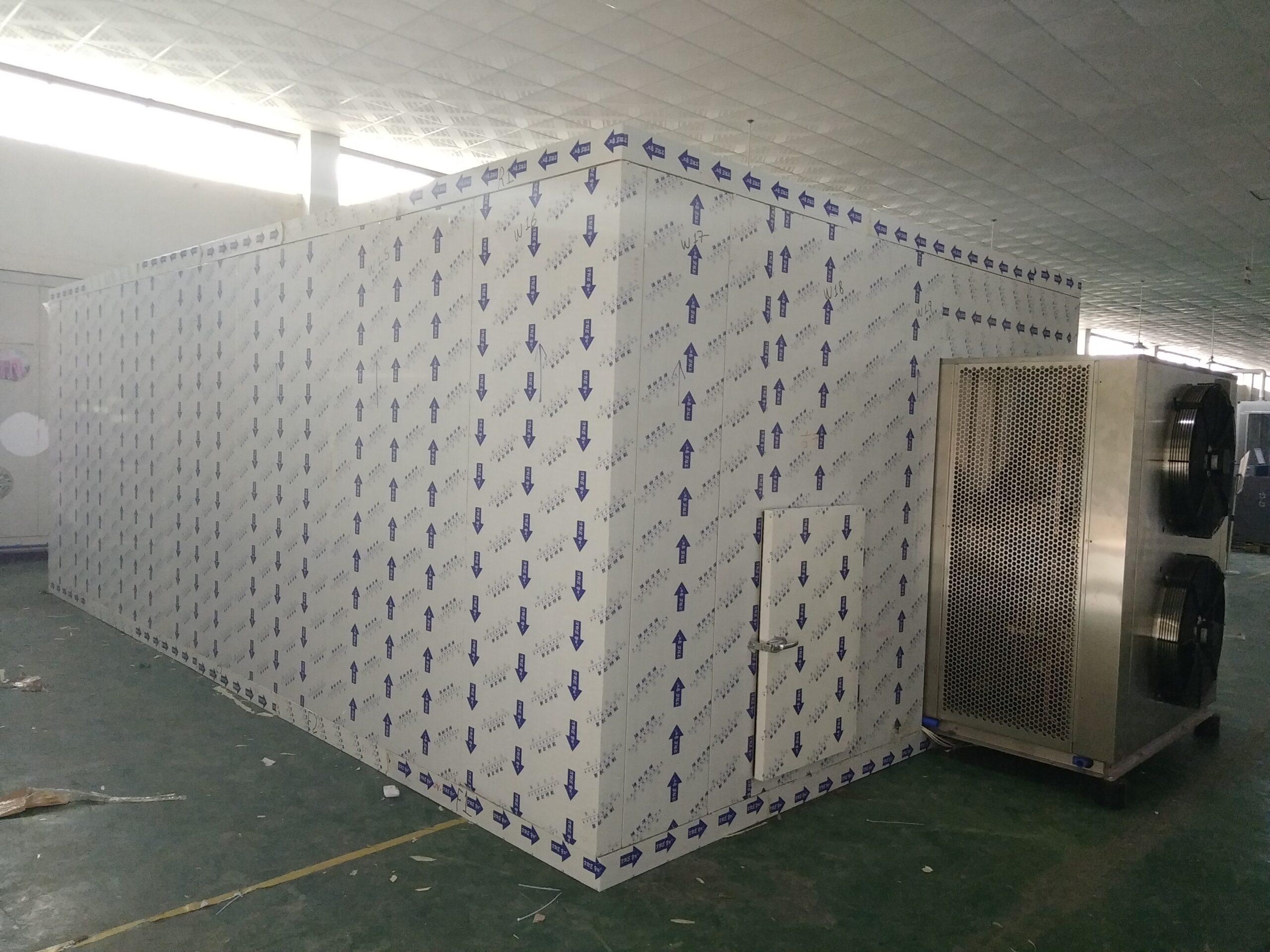
Open-Loop Systems
Fresh-air intake and exhaust are considered with climate, airflow and moisture discharge needs.
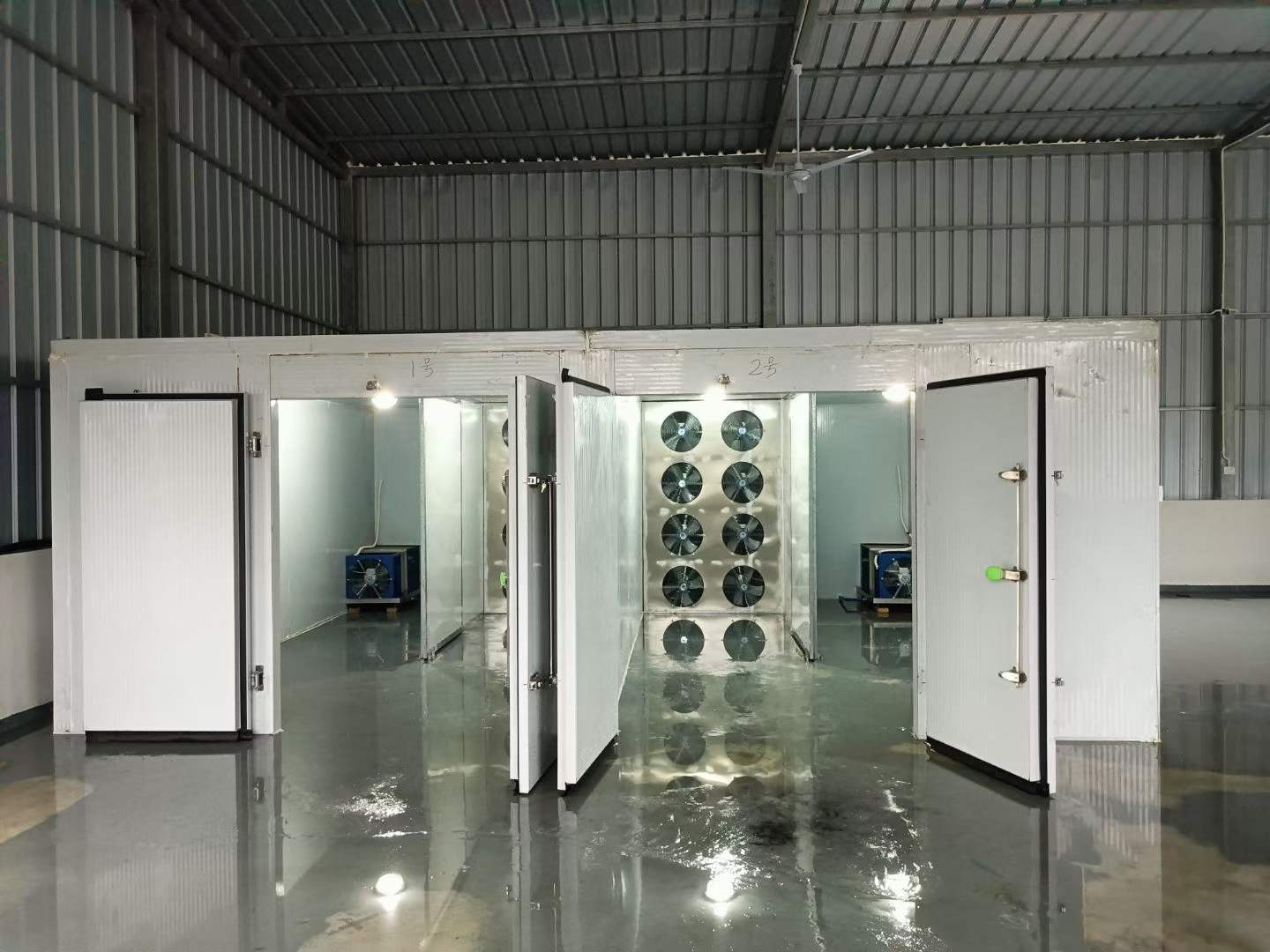
Industrial Drying Rooms
Room layout, insulation, loading method and air distribution form part of the system design.
Custom Systems
Project-specific requirements are connected into a complete engineering review.
Application review begins with the material.



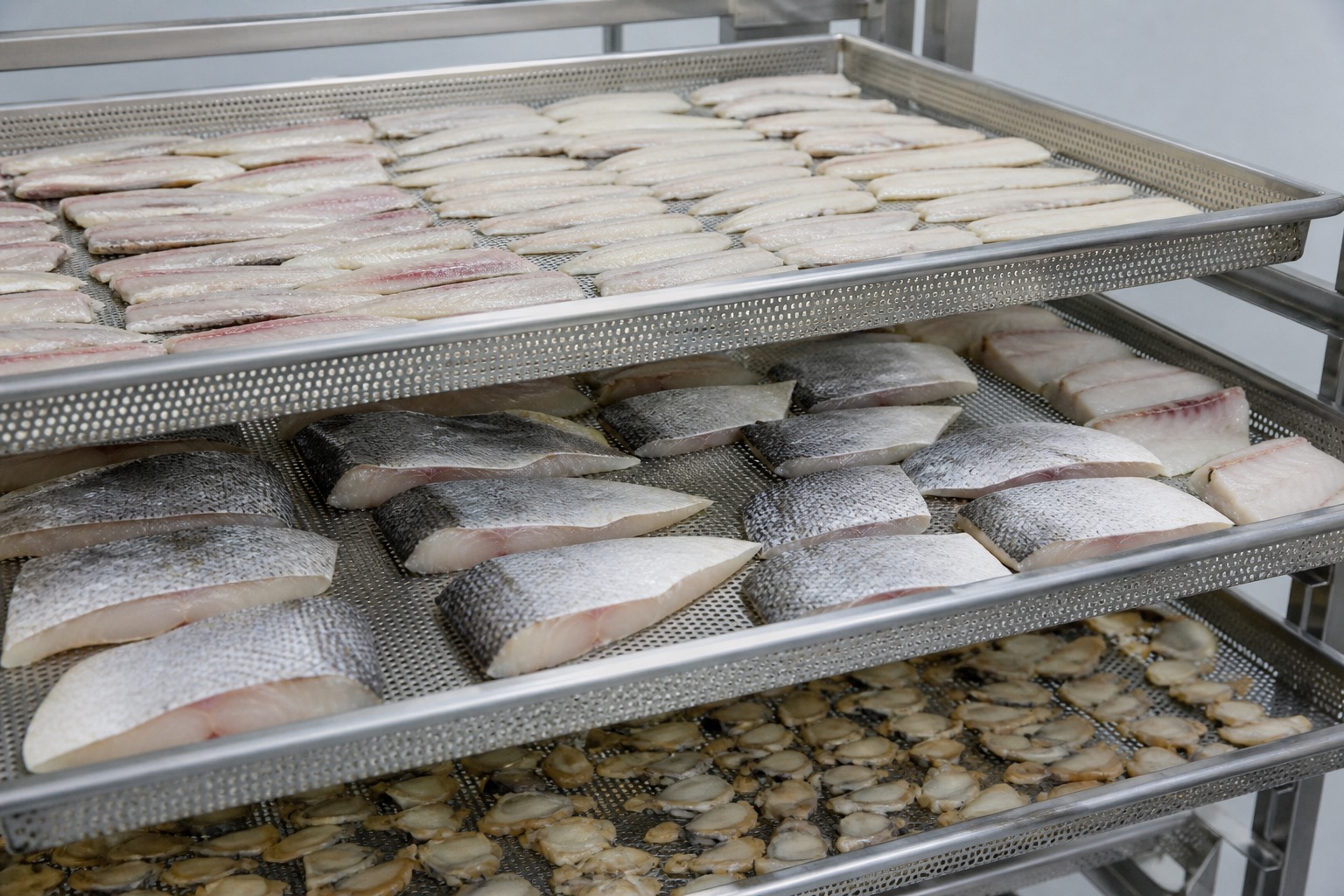
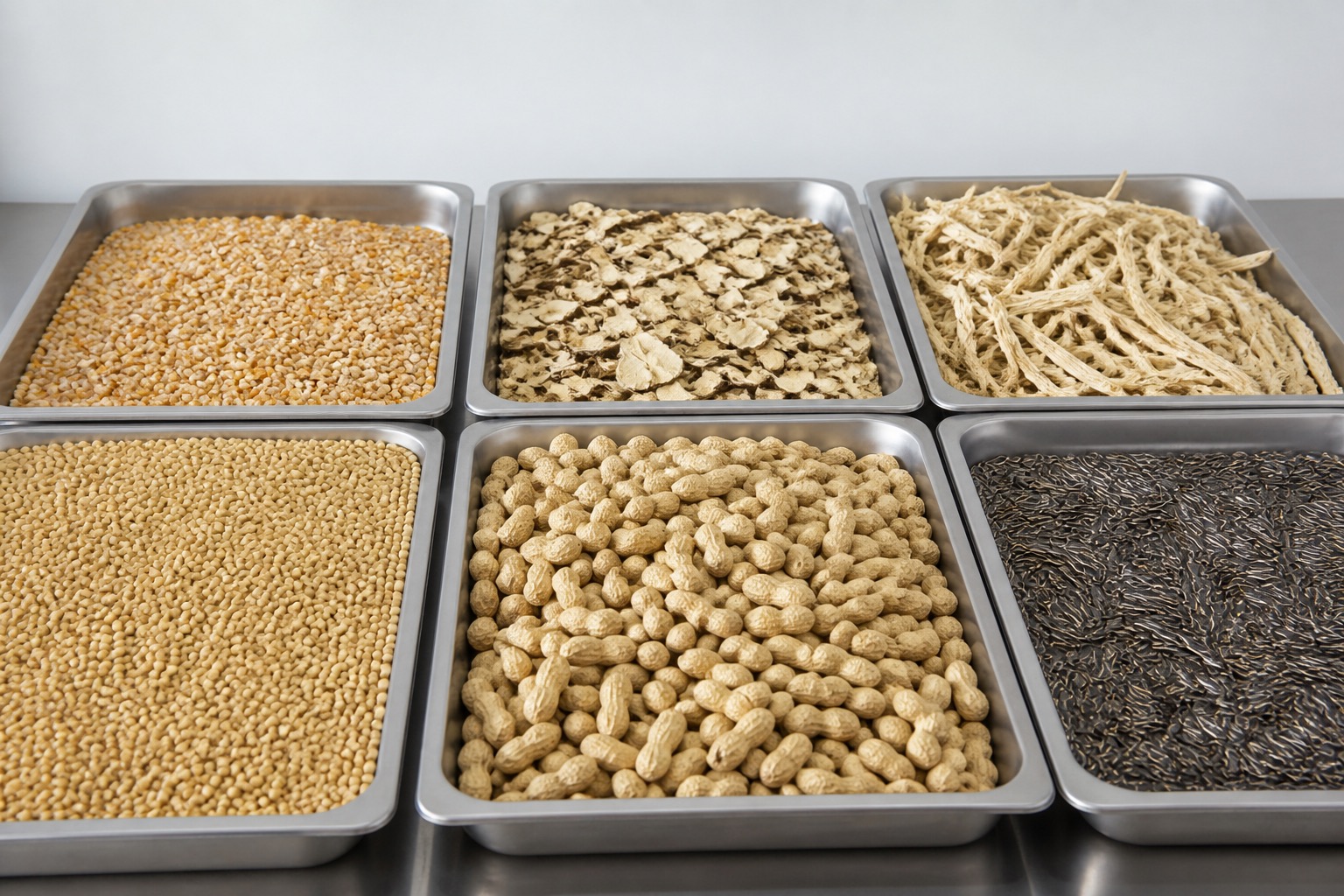
From material data to a complete solution.
Material and Moisture
Define the material, initial moisture, target moisture and temperature sensitivity.
Capacity and Climate
Clarify quantity, batch workflow, local climate and moisture removal needs.
Room and Airflow
Review room layout, loading, supply and return paths and air distribution.
Configuration and Control
Review heat pump architecture, sensors, humidity control and PLC requirements.
Useful planning references.
Discuss your industrial drying requirement.
Share your material, moisture, capacity, temperature, climate, power and room information.