
Batch Drying Systems
A batch drying system processes a defined load through loading, controlled drying and unloading stages. The equipment direction depends on the material, moisture load, batch schedule, room arrangement and the time genuinely available for each operating cycle.
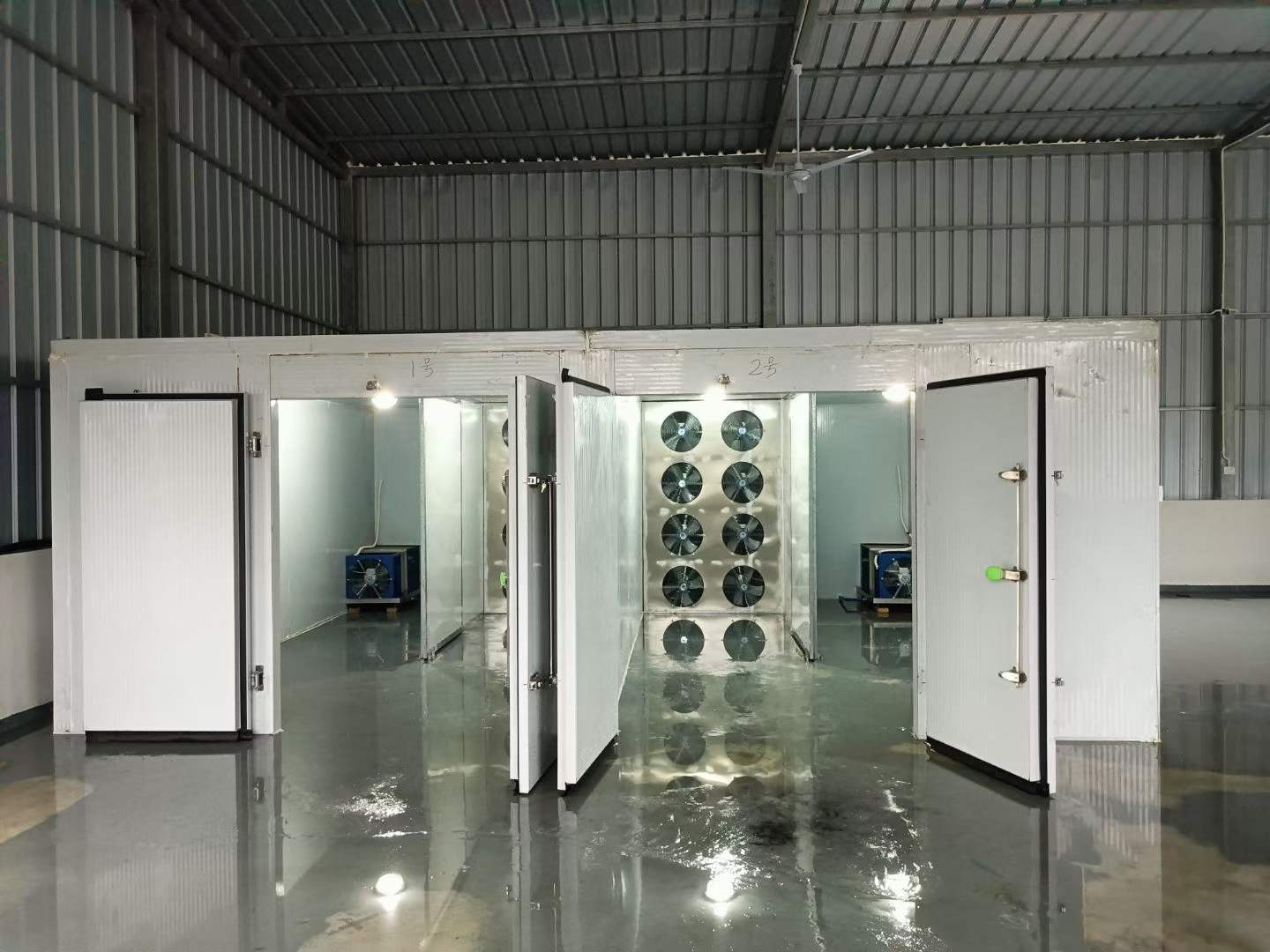
Capacity depends on the complete operating cycle.
Prepare and Load
Material is prepared to a defined form and distributed across trays, racks, trolleys or another approved loading system.
Run the Drying Sequence
Fans, heat-pump functions, moisture removal and stage controls operate according to the validated process requirement.
Confirm Endpoint
The batch is assessed using the agreed moisture or process endpoint and a consistent sampling method.
Unload and Reset
Product removal, room cleaning, inspection and the next loading period consume real schedule time.
Trays, racks and trolleys define the air resistance.
Trays
Perforation, mesh, edge height and open area influence the air path. Product depth and spacing should remain consistent with the reviewed process.
Racks
Rack spacing must preserve air access to each level while supporting safe handling and cleaning.
Trolleys
Trolley dimensions, wheel paths, door clearances and final parked position must match the room and duct arrangement.
Bulk or Special Loads
Bins, hanging products or deep beds require separate pressure-loss, moisture-path and handling evaluation.
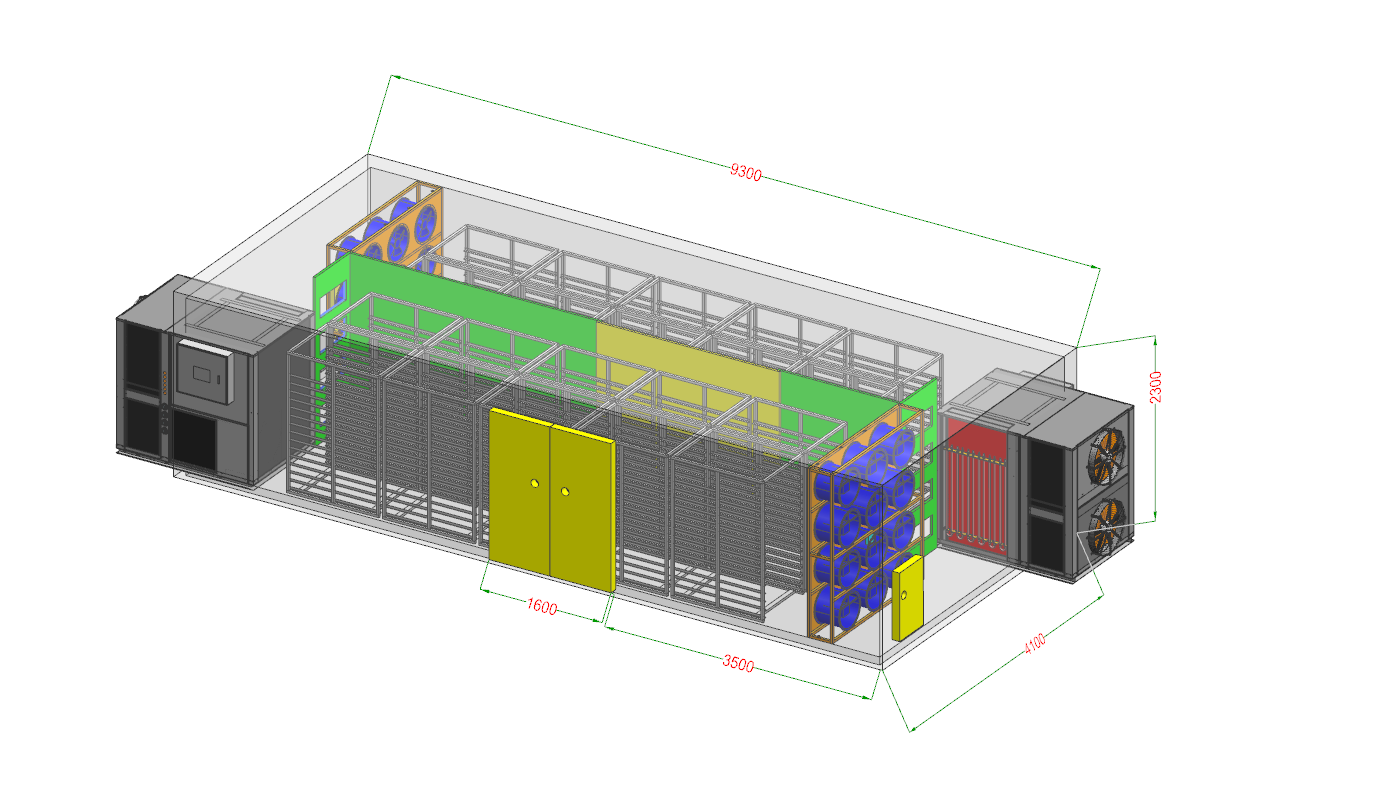
Separate batch capacity from daily throughput.
Batch capacity is the fresh material loaded for one operating cycle. Daily fresh-material throughput depends on how many complete cycles can actually be finished, including loading, drying, unloading, cleaning and planned inspection. A quoted room volume or trolley count is not enough to confirm production.
| Planning item | Required question |
|---|---|
| Batch load | How much fresh material is loaded, and how is it distributed? |
| Moisture load | How much water must be removed from that batch on a consistent moisture basis? |
| Effective drying time | What validated material information or testing supports the assumed process time? |
| Non-drying time | How much time is required for preparation, loading, unloading, cleaning and reset? |
| Daily schedule | How many complete batches fit the actual operating hours without overlapping workflow? |
Fixed cycle times or guaranteed batch capacities should not be assumed without verified material data and project-specific review. See industrial dryer capacity planning.
Air must reach every loaded level and return without uncontrolled bypass.
The room should support the selected loading direction, safe trolley movement, supply-air distribution and a clear return path. Deep product layers, tightly packed racks and inconsistent trolley positions can alter resistance. Fan selection and duct geometry should therefore be evaluated with the loaded condition, not only with an empty room.
- Supply path: where conditioned air enters the load.
- Return path: how moisture-laden air returns or exits.
- Bypass: gaps that let air avoid the material.
- Workflow: doors, staging areas, cleaning and safe access.
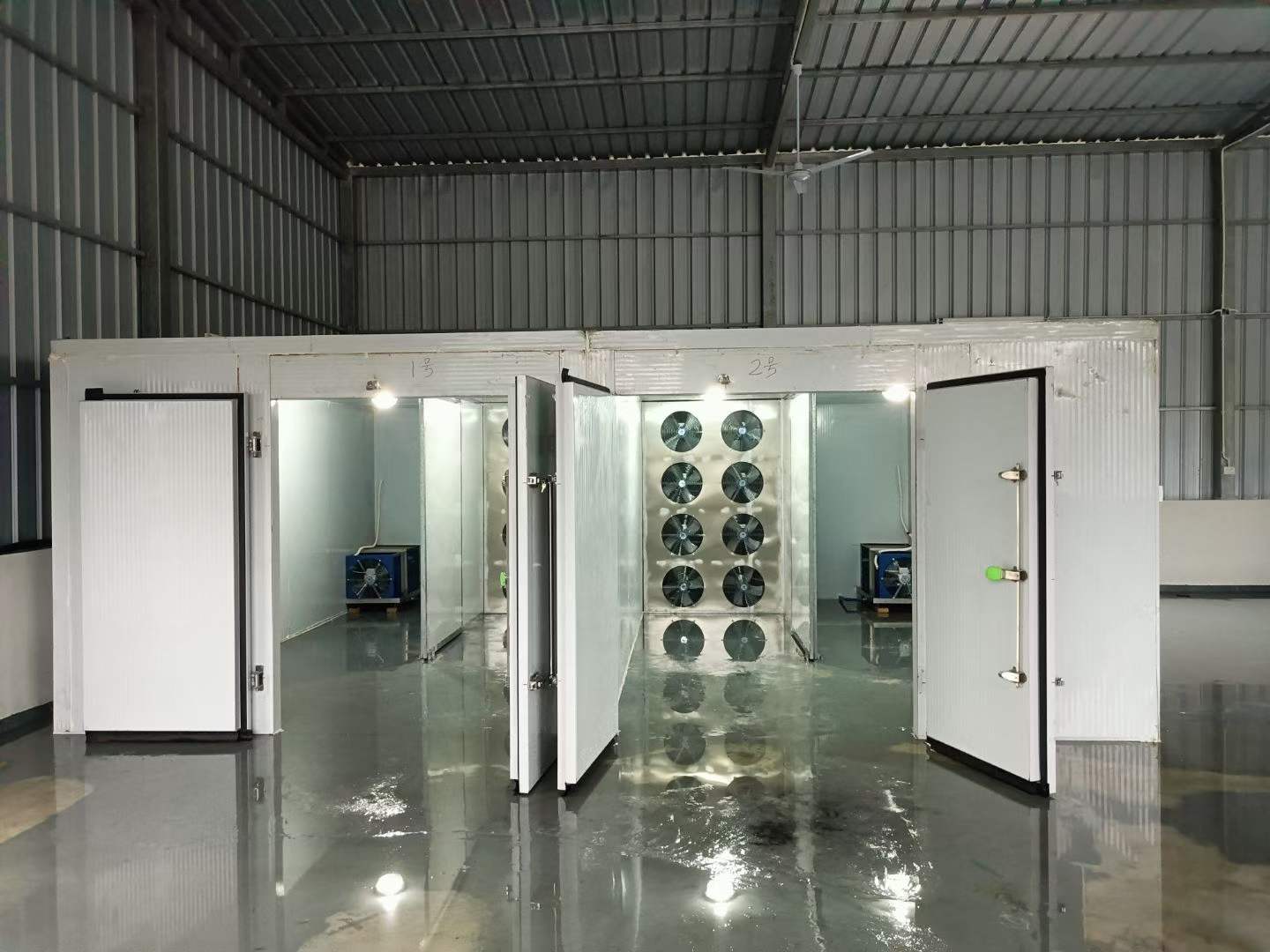
Batch operation can use different moisture-removal approaches.
An open-loop batch system uses planned fresh-air intake and exhaust, so ambient climate and room pressure require review. A closed-loop system recirculates process air and can remove moisture by condensation, requiring attention to room leakage and condensate handling. Controls may coordinate preheat, active drying stages, humidity response, fan operation, alarms and endpoint logic. Neither architecture is automatically suitable for every batch process. Operator actions and restart conditions should also be defined for consistent batch records.
Define the batch before requesting equipment.
Material and Preparation
Exact material, cut size or form, fresh condition and sensitivity.
Moisture and Endpoint
Initial and target moisture, measurement basis and available testing.
Schedule
Batch quantity, shifts, operating hours and loading/unloading allowance.
Site
Room dimensions, climate, electrical supply, drainage and access.
Connect batch workflow with room and system design.
Plan a batch drying system around the real workflow.
Send the batch load, material condition, moisture information, schedule, loading method and site details for review.