
Heat Pump Dryer Condensate Drainage and Moisture Collection
Condensate drainage is part of moisture management in systems where water vapour is removed by cooling and condensation. Collection surfaces, drains, piping, seals and discharge arrangements must work together without allowing backflow, standing water or leakage. The water collected at a coil is useful process evidence, but it is not automatically equal to the total water lost by the material. Final drainage details require equipment and site review.
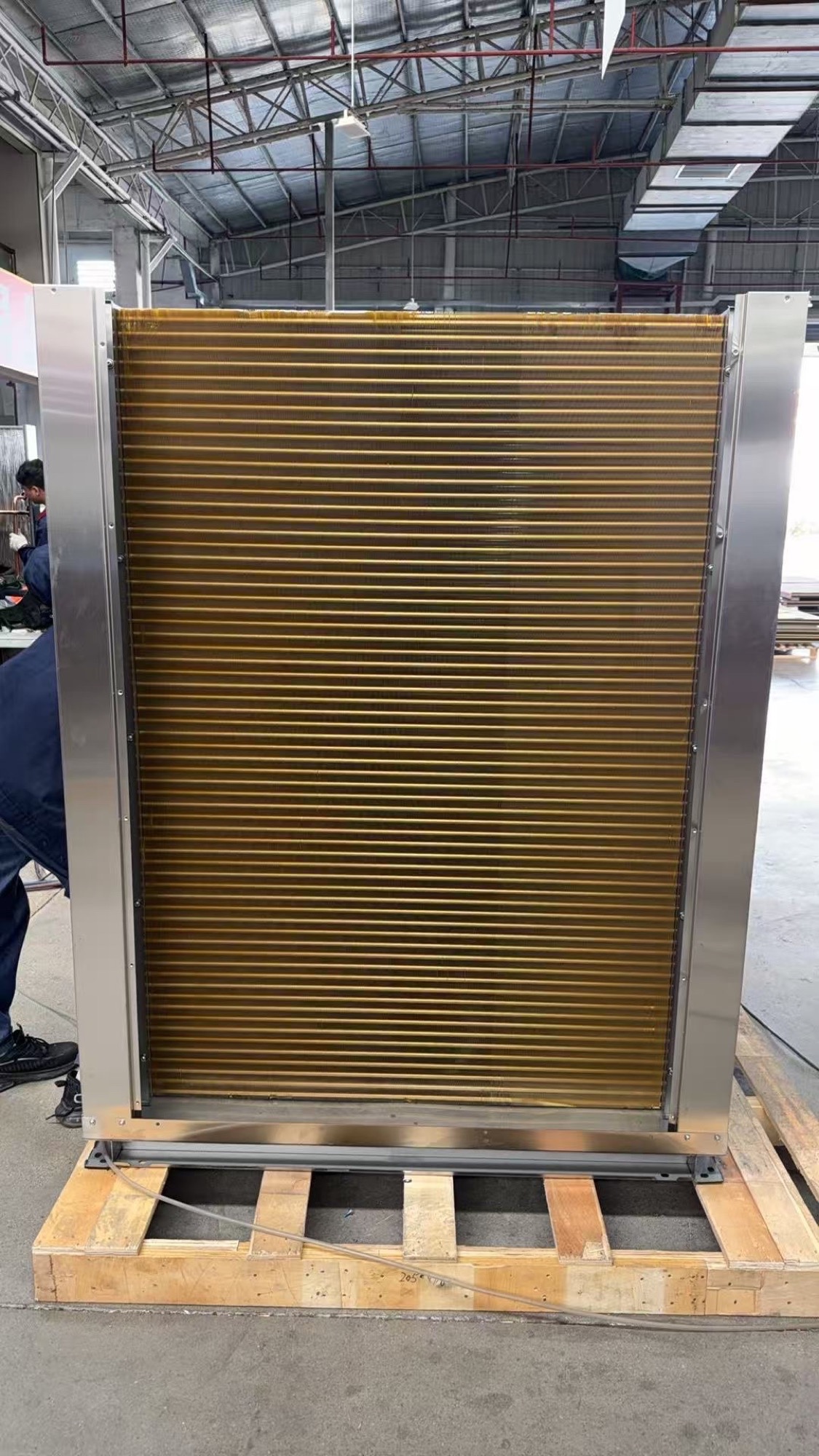
Diagnose the process before changing the design
When moist process air reaches a surface below its dew point, part of the vapour can condense. The condensate must move from the collection surface to a controlled discharge point. A blocked outlet, poor pipe support, backflow, unsealed connection or exposed cold pipe can create water around equipment even when the air process is operating as expected.
Drainage review should distinguish water generated at the heat exchanger from water remaining in the material, room surfaces or other parts of the system. Material loss can include retained water, evaporation to exhaust, handling losses and measurement uncertainty. Therefore, drain collection is one observation in a wider moisture balance.
Record the variables that shape the observation
Collection surface
Receives condensate from the conditioned air path. It should remain accessible for inspection and cleaning within the confirmed equipment arrangement.
Drain outlet
Provides the first controlled exit from the collection area. Its orientation and connection must avoid standing water and accidental obstruction.
Pipe route
Carries water to the discharge point. Supports, slope and insulation are project-specific and must suit the environment and equipment arrangement.
Trap or seal
May be required where pressure differences or air leakage could affect drainage. The need and detail depend on the installed configuration.
Discharge point
Receives water without backflow, splash or uncontrolled release. The site drainage route and cleaning access should be confirmed before installation.
Use a defined check rather than a single assumption
| Observation or input | Purpose | Risk if incomplete | Review direction |
|---|---|---|---|
| Water at equipment base | Leak, overflow or misdirected drain | Inspect collection area, joints and outlet while isolated | Repair the cause and verify discharge path |
| Standing water in pan | Blocked outlet or inadequate route | Check access, cleanliness and pipe continuity | Clean and correct route under approved procedure |
| Slow or absent collected water | Dry load stage, bypass, blockage or measurement issue | Compare process stage, air condition and drain path | Do not infer total moisture removal from one drain observation |
| Cold pipe sweating | Surface below ambient dew point | Inspect insulation and surrounding humidity | Review insulation and environmental exposure |
| Backflow after shutdown | Pressure or discharge arrangement issue | Observe shutdown behaviour and downstream condition | Review trap, routing and receiving drain arrangement |
Separate evidence from interpretation
Start with the equipment and site drawings. Identify the collection surface, outlet, pipe route, isolation point, cleanout access and final discharge. Check where pressure changes can influence flow and where a cold surface can create external condensation. Any cleaning or inspection action must follow the equipment procedure and safe isolation requirements.
For process records, note the collection method, observation period, operating stage and whether other water paths are present. Compare collected water with the material mass balance only after defining the same time boundary. A difference is not automatically a fault: water may remain in the load, leave through an exhaust path, or be affected by measurement and handling losses.
Define the evidence before a decision
For heat pump dryer condensate drainage and moisture collection, collect the material description, preparation method, initial and target moisture basis, batch or operating schedule, loading arrangement and available room information. Record the instrument locations, measurement method and any known site constraints. Separate measured observations from estimates and identify missing data. This makes the technical discussion easier to audit and prevents a trial or symptom from being treated as a universal design value. The final recommendation depends on the confirmed project inputs, applicable safety procedures and a project-specific engineering review. Keep the original records available so later conclusions can be traced to the observed conditions.
Drainage review checklist
- Mark collection, outlet, route, receiving point and access on the layout.
- Check for visible leakage, standing water, backflow, blocked access and cold exposed surfaces.
- Record drain observations with batch stage, loading and moisture data.
- Verify that cleaning and inspection can be performed safely.
- Escalate any equipment, pressure, electrical or refrigeration issue to qualified personnel.
Continue the technical review
Questions buyers and operators often ask
Is collected condensate equal to the water removed from material?
No. Other moisture paths, retained water, handling losses and the measurement boundary must be considered.
Can a customer choose a pipe size from a general article?
No. Drainage details depend on equipment, flow, environment, routing and site requirements and need engineering review.
What does standing water indicate?
It may indicate blockage, routing, support, pressure or cleaning issues. The exact cause requires inspection under a safe procedure.
Should cold drain piping be insulated?
Environmental condensation risk should be reviewed. The insulation approach depends on temperature, humidity, routing and project conditions.
Discuss the process with HPDRYER
Share the material condition, moisture basis, capacity, room, climate and control information available for an engineering review.