
Industrial Heat Pump Dryer Maintenance
Quick Answer
Industrial heat pump dryer maintenance combines routine observations, condition-based cleaning and qualified technical service. Operators can record airflow, drainage, door seals, alarms and visible contamination, but refrigerant circuits, compressors and hazardous electrical work require appropriately qualified personnel. Inspection frequency must follow the operating environment, material dust or residue, equipment documentation and applicable safety rules rather than a universal calendar published for every dryer.
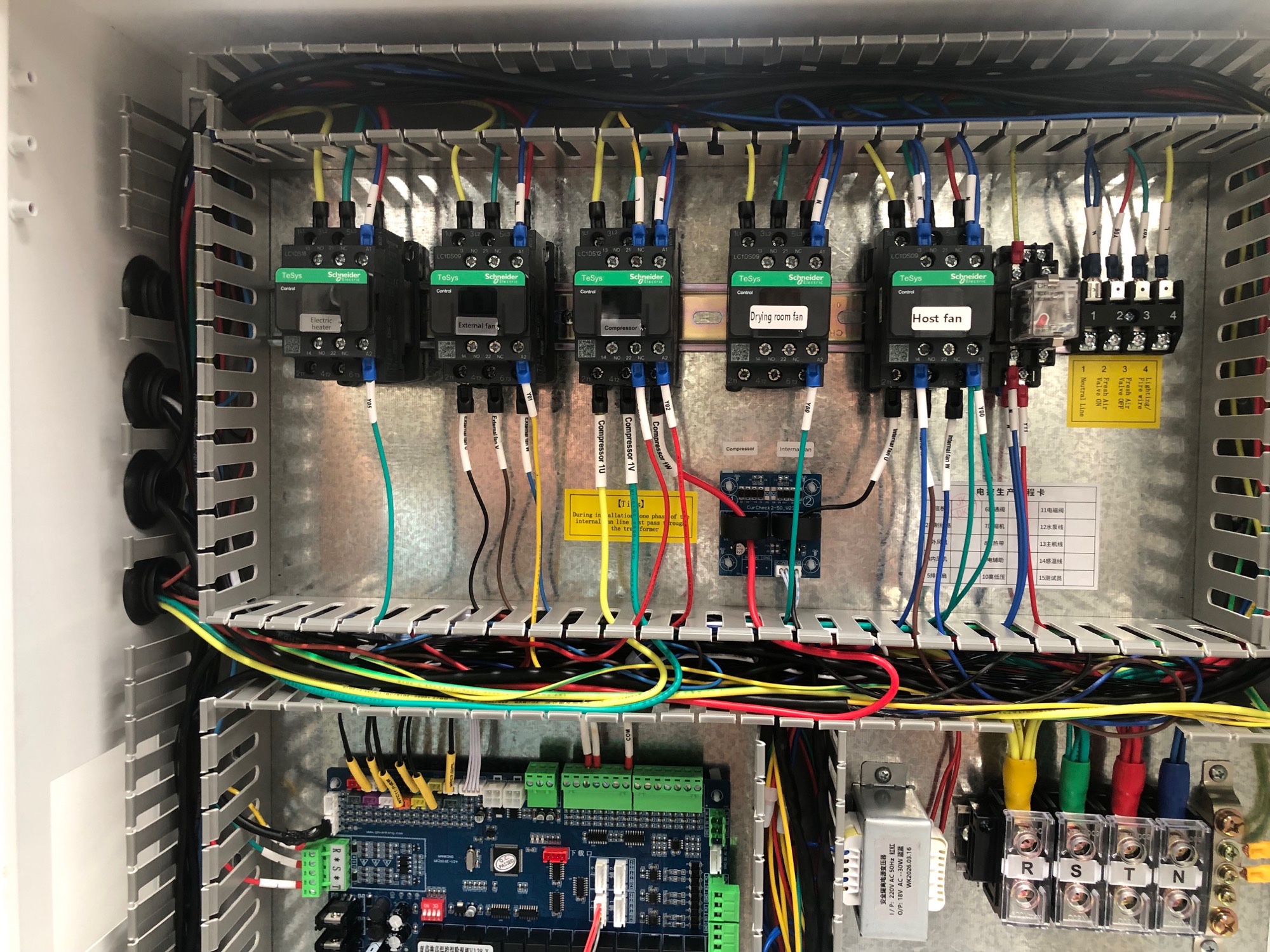
Separate operator checks from specialist service.
Routine Observation
Before and during batches, record unusual noise, vibration, alarms, drainage, door condition and obvious airflow obstruction.
Condition-Based Cleaning
Inspect filters, accessible heat-transfer surfaces, fans, drains and air passages according to residue accumulation and the approved cleaning method.
Periodic Technical Inspection
Use equipment documentation and operating conditions to define checks for electrical connections, sensors, fan assemblies and enclosure condition.
Fault-Triggered Service
Respond to recurring alarms, abnormal temperatures, loss of airflow, drainage failure or changed performance with controlled diagnosis rather than repeated resets.
Keep the process-air circuit inspectable.
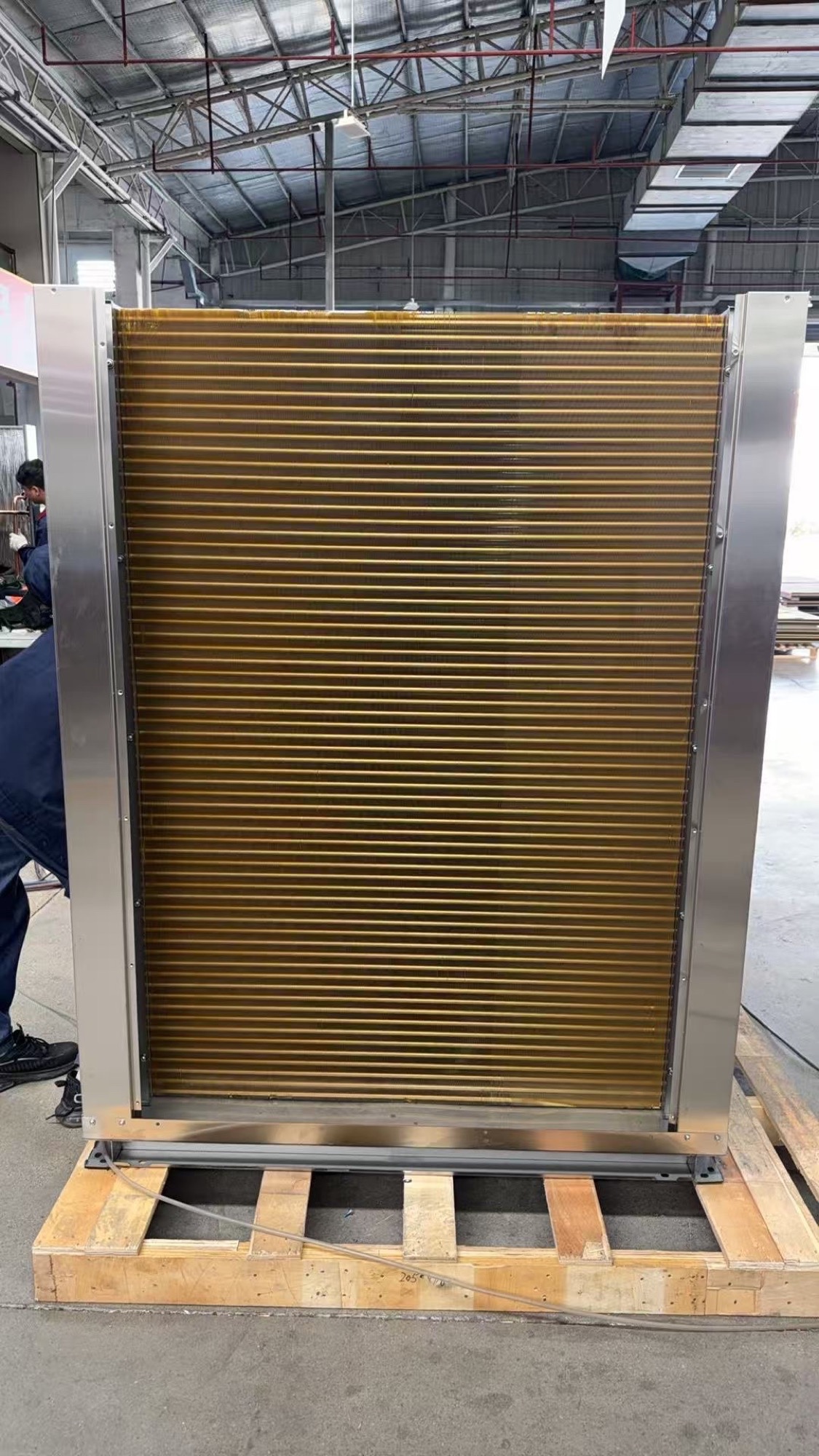
Dust, fibers, oil, sugar, salt or other material residue can increase resistance or coat accessible surfaces. Filters should be inspected against actual loading conditions. Fan inlets, guards, heat exchangers and return passages should remain free from unintended obstruction. Cleaning methods must be compatible with the component, electrical protection and product requirements.
Condensate trays, drains and traps require an open path and suitable disposal arrangement. Standing water or recurring overflow calls for diagnosis of drainage, level, blockage and operating conditions. Do not use high-pressure water or chemicals unless the equipment documentation and project hygiene plan permit them.
Use condition and responsibility to plan the work.
| Area | Operator observation | Qualified service action |
|---|---|---|
| Filters and air passages | Visible loading, pressure or airflow change, damaged filter, blocked return. | Confirm cleaning or replacement specification and investigate persistent contamination. |
| Fans | Noise, vibration, rubbing, debris, changed airflow indication. | Isolate energy, inspect mounting, balance, bearings, drive and electrical condition as applicable. |
| Heat exchangers | Visible fouling, frost or water pattern where safely observable. | Apply approved cleaning, inspect air and refrigerant-side causes, and verify operation. |
| Drainage | Slow discharge, standing water, leak or overflow. | Clear and test the path; inspect level, trap and connection arrangement. |
| Controls and sensors | Alarm history, implausible reading, damaged cable or unstable control. | Verify sensor condition, placement, calibration approach and control sequence. |
| Room envelope | Door gasket damage, loose panel joint, condensation or insulation damage. | Repair the enclosure detail and check the cause before resuming normal operation. |
Isolate hazardous energy before service.
Maintenance can expose personnel to electrical, mechanical, thermal, pressure and stored-energy hazards. The owner must establish procedures that comply with applicable local requirements, identify energy-isolation points and define authorized personnel. The U.S. OSHA hazardous-energy overview is a primary reference explaining why unexpected startup or energy release must be controlled during servicing; it is not a substitute for the rules governing the project location.
Compressors and refrigerant circuits should be inspected and serviced only by qualified refrigeration personnel using the equipment documentation and applicable law. Electrical cabinet work likewise requires qualified personnel and verified isolation. Operators should not bypass alarms or safety interlocks to keep a batch running.
Use records to narrow the inspection path.
- Longer process under comparable conditions: compare material preparation, loading mass, moisture duty, filters, airflow, heat-transfer surfaces, leakage and climate.
- Uneven trays: inspect trolley position, bypass paths, blocked passages, fan operation and changes in material depth.
- Unstable temperature or humidity: review sensor readings, placement, control stages, doors, intake/exhaust and refrigeration operation.
- Repeated condensate alarm: inspect drains, trays, level, pump or trap arrangement and actual moisture load.
- Electrical or refrigeration alarm: retain alarm records and stop for qualified diagnosis according to the equipment documentation.
One symptom can have several causes. Compare equivalent batches and avoid concluding that one component is faulty from a single reading.
Record observations that can be compared.
| Record field | Purpose |
|---|---|
| Date, batch and operating hours | Connect the observation to material and equipment usage. |
| Material and loading condition | Avoid comparing unrelated product or tray arrangements. |
| Alarm and trend evidence | Retain exact codes, time and relevant temperature or humidity records. |
| Inspection and action | State what was observed, cleaned, adjusted or replaced and by whom. |
| Isolation and authorization | Record the approved safety procedure and qualified service responsibility. |
| Post-service verification | Confirm drains, fans, controls, doors and the affected function before release. |
The interval for each task should come from operating conditions, observed contamination, equipment documentation and the approved maintenance plan. This page does not specify a fixed HPDRYER maintenance interval or component life.
Heat pump dryer maintenance questions
How often should filters be cleaned?
Set the interval from residue loading, pressure or airflow observations, product requirements and the equipment documentation.
Can operators service the refrigerant circuit?
Refrigeration work should be performed only by appropriately qualified personnel under applicable requirements.
Does a longer batch always mean equipment failure?
No. Material moisture, preparation, loading, climate, leakage and airflow can also change the process.
What should be retained after maintenance?
Keep the condition, alarm evidence, isolation, action, responsible person and post-service verification in the maintenance record.
Connect maintenance to controls and installation.
Prepare maintenance around the actual material and duty.
Share the system configuration, operating records, alarms, material residue and observed condition for a focused technical review.