
Industrial Dryer Technical Documentation
Quick Answer
Industrial dryer technical documentation should connect the approved project inputs to the supplied equipment, room layout, electrical and control information, test records, operating basis and later revisions. The exact document set is not universal: names, formats, languages, approval stages and delivery timing should be agreed in the contract. A controlled register helps buyers identify the current revision, responsible party, approval status and remaining documents without assuming that every project includes every possible deliverable.
Make the engineering basis traceable through delivery and operation.
A technical document is useful when the reader can identify the project, equipment or system boundary, revision, status and assumptions. A layout should correspond to the current loading plan. A control description should correspond to the supplied sensor and actuator list. A commissioning record should identify the procedure and conditions used.
ASHRAE commissioning resources describe documentation as part of verifying systems against project requirements, and U.S. Department of Energy commissioning guidance includes document review, planned testing, deficiency records and final handover. These principles support traceability, but the actual HPDRYER document scope must be confirmed for each contract.
Group records by the decision they support.
Project Inputs
Material, moisture basis, capacity, climate, room, loading, utilities and control expectations.
Equipment and Layout
Equipment list, arrangement, room or CAD layout, connection points and responsibility boundaries.
Electrical and Controls
Power information, component schedule, sensor points, sequence, alarms and interfaces where included.
Verification and Handover
Inspection records, agreed FAT or commissioning results, open items, operating basis and maintenance information.
Confirm each deliverable rather than assuming it.
| Document group | Planning purpose | Items to confirm in contract |
|---|---|---|
| Input data sheet | Records material and site assumptions used for review. | Required fields, moisture definition, owner and approval status. |
| Equipment list | Identifies supplied equipment and key interfaces. | Tagging, options, exclusions and revision stage. |
| Room/CAD layout | Coordinates footprint, loading, air path and service access. | Format, dimensions, site information and approval responsibility. |
| Electrical information | Supports power planning, connection and qualified review. | Diagram type, load data, local adaptation and release stage. |
| Control description | Explains sensor, command, alarm and sequence intent. | Included modes, interfaces, adjustable parameters and language. |
| Test and handover records | Shows what was checked and what remains open. | FAT, commissioning, witnesses, criteria and record format. |
| Operation and maintenance | Supports routine use, inspection and qualified service. | Content, supplied-equipment boundary, format and delivery date. |
Layouts document one project basis, not a standard size.
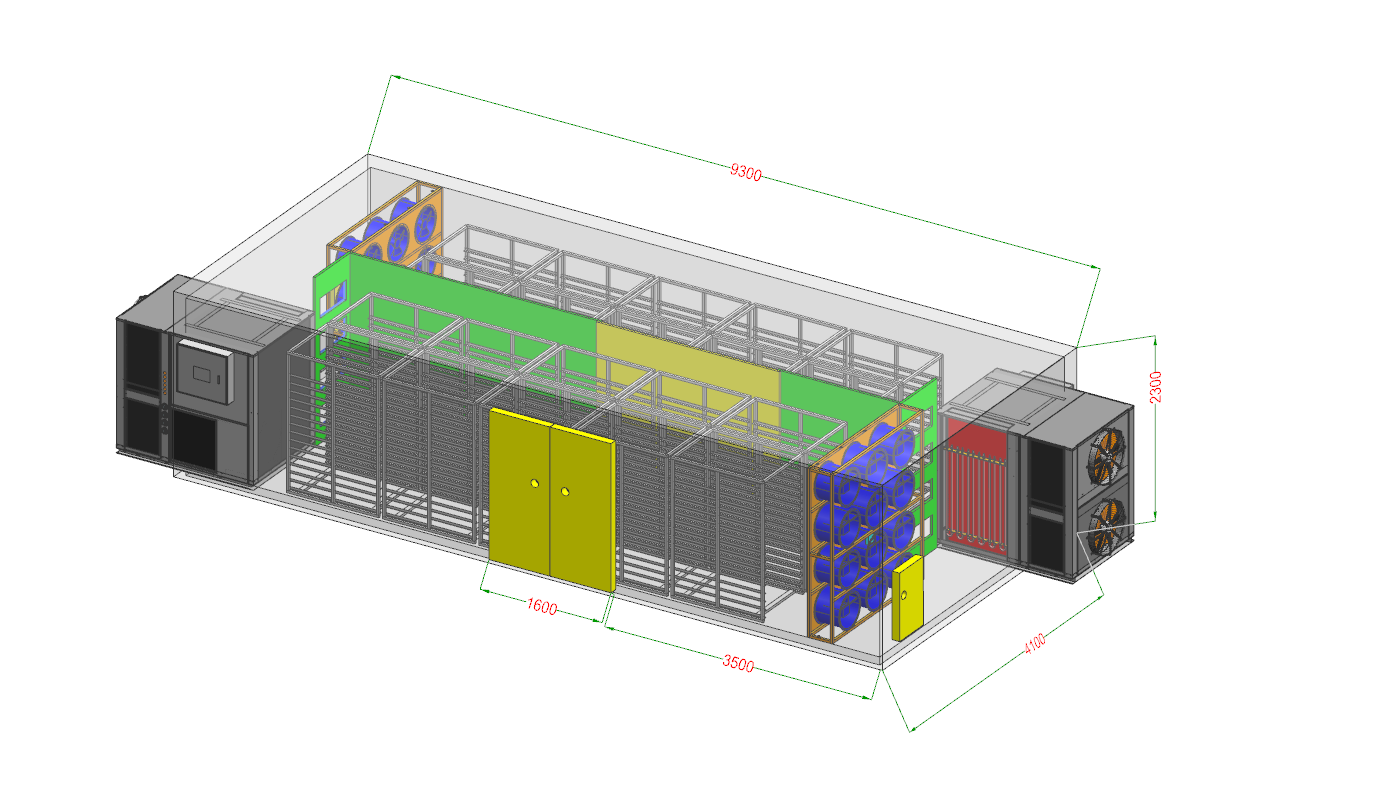
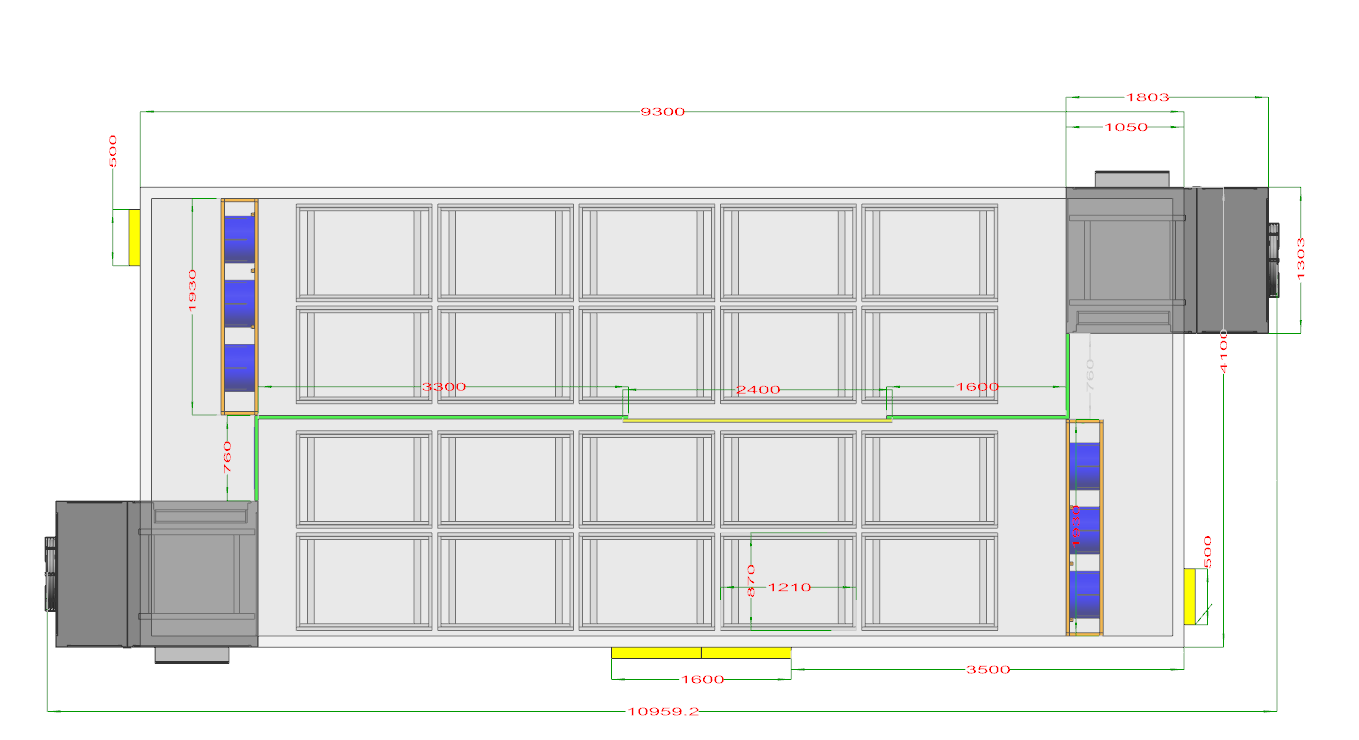
The authentic HPDRYER CAD image illustrates how equipment, room and loading positions can be coordinated. The separate plan image provides another view for arrangement and sizing review. Both are examples only. Dimensions and equipment positions belong to their original project basis and must not be copied into another project without review.
The electrical control-cabinet photograph can help identify the need for component schedules, wiring information and a control description. It does not establish a universal cabinet specification or certification.
Keep the current decision visible.
- Document identity: project, title, number, revision and date.
- Status: draft, for review, approved for manufacture, as-built or another contract-defined state.
- Change description: concise record of what changed and why.
- Review responsibility: party responsible for technical review and response.
- Distribution: controlled transmittal showing who received the revision.
- Superseded records: retain traceability while preventing obsolete documents from directing work.
Project changes should flow through the engineering process so room, airflow, equipment and PLC information remain aligned throughout manufacture and delivery.
Questions to close before manufacture and delivery
Scope
Which documents are included, excluded or supplied by another party?
Format and Language
What file formats, language, units and editable-source requirements are contracted?
Approval Stages
Which documents require buyer review before manufacture, FAT, shipment or installation?
Final Record
Which approved or as-built records are required for operation and handover?
Technical documentation questions
Does every project include the same document set?
No. The contract should define each deliverable, format, language, approval stage and responsibility.
Is a CAD example a standard room design?
No. It documents one project basis; another material, room or loading plan requires review.
When should revisions stop?
Revision status should follow contract milestones, while later approved changes remain traceable through controlled updates.
Can documentation replace commissioning?
No. Documents define and record the basis; physical inspection and functional verification still require agreed procedures.
Connect documents with design, verification and delivery.
Define the document register with the project scope.
Share the required formats, review stages, language, units and handover expectations with the technical enquiry.