
Food and Agricultural Drying
Grain and Seed Drying Systems
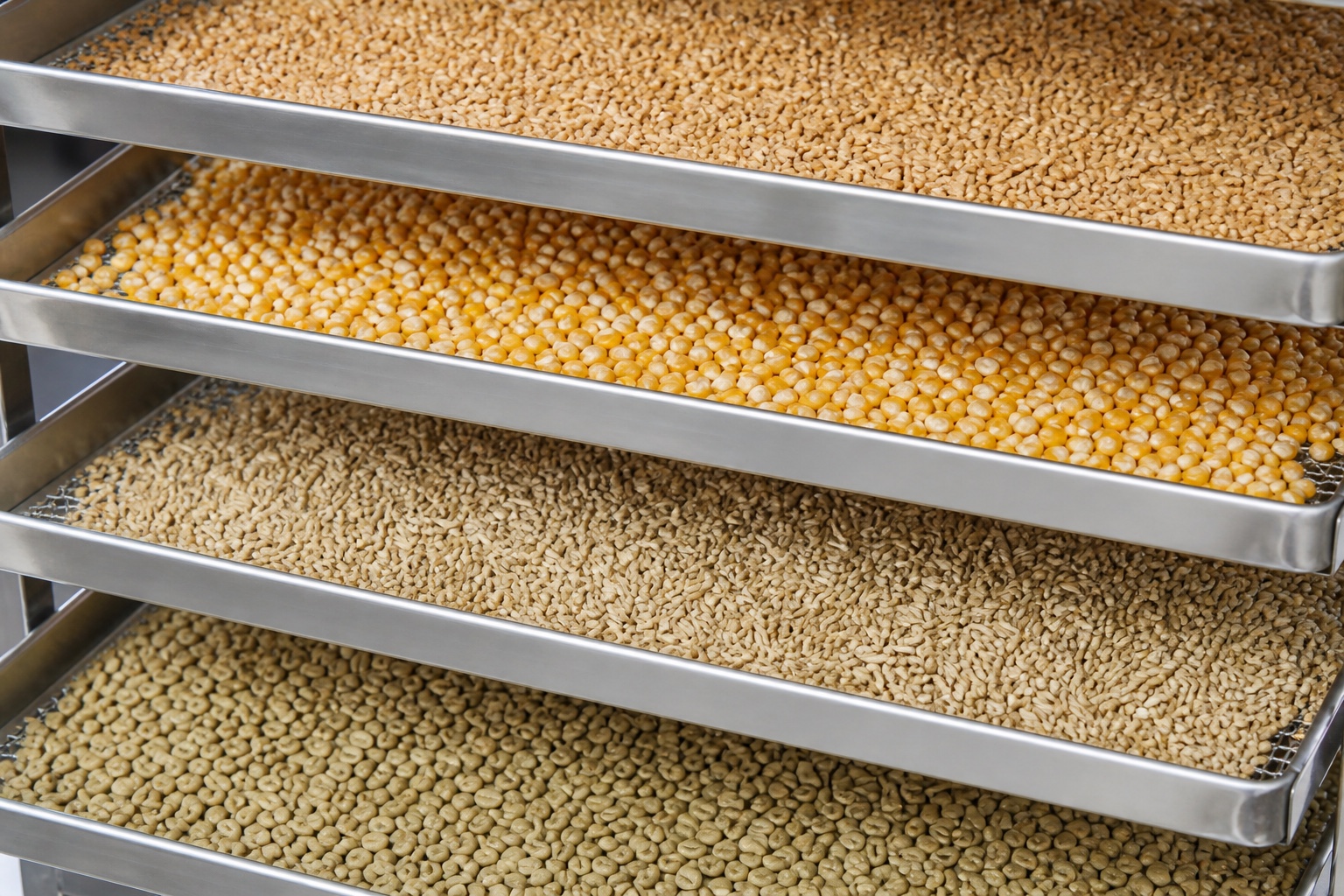
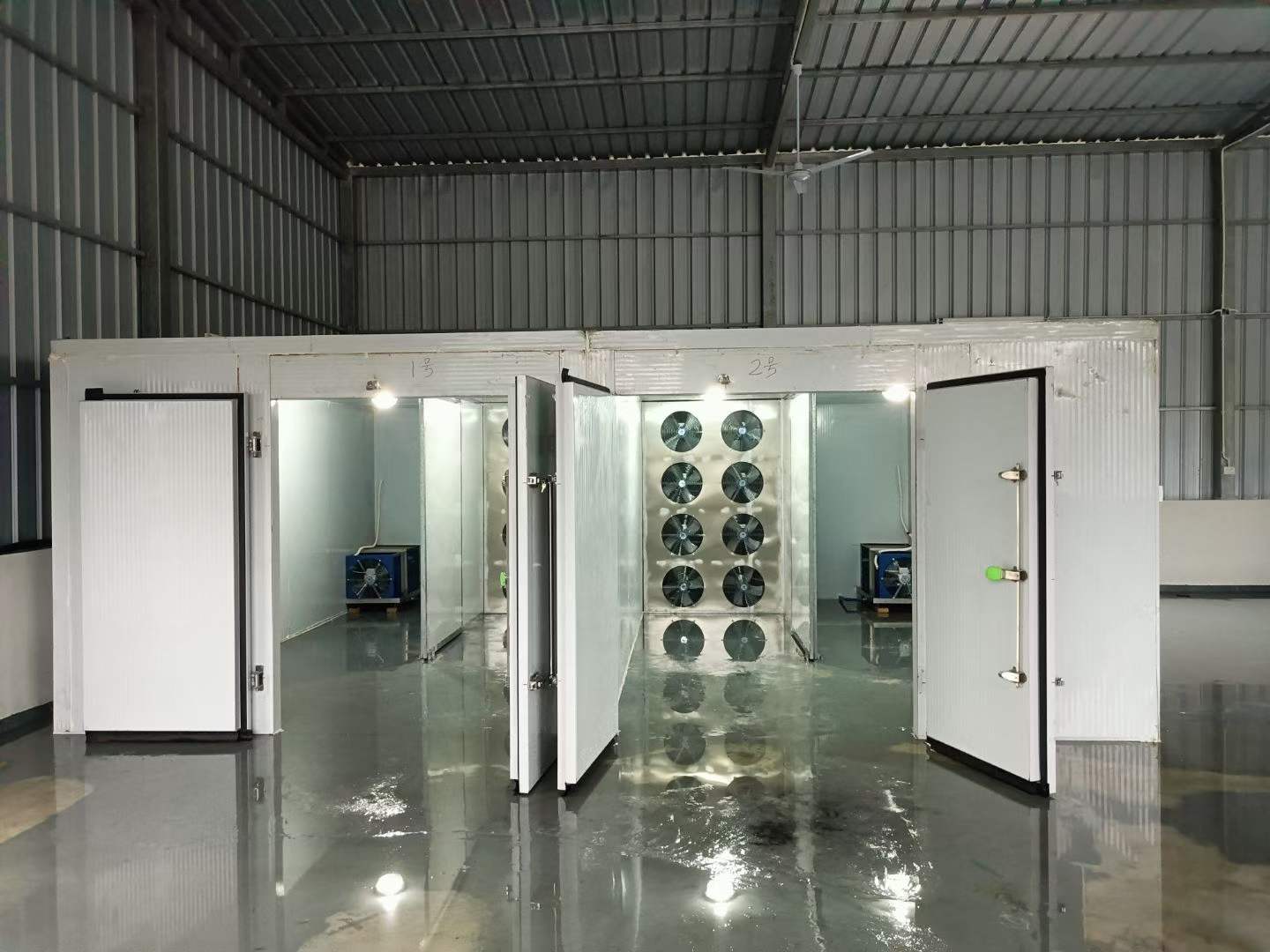
Grain and seed projects depend on kernel type, incoming moisture, bed depth, loading method and required throughput. HPDRYER reviews airflow resistance and moisture removal before recommending a room or system arrangement.
Bulk Material
Layer depth and pressure resistance shape the air system
Kernel size, fines content and the chosen tray or bed depth determine how easily process air passes through the load. Uneven filling can create preferential paths while deeper zones retain moisture.
Project inputs
- Grain or seed type and incoming condition
- Fresh mass per batch or daily throughput
- Initial and target moisture when available
- Layer depth, tray or container arrangement
- Loading, unloading and cleaning workflow
Engineering considerations
Bed resistance
Airflow and fan selection must account for the actual kernel bed and loading depth.
Fines and debris
Small particles can restrict mesh, change pressure loss and affect cleaning requirements.
Moisture uniformity
Sampling method and incoming variation should be documented before capacity calculations.
Material handling
Filling and discharge arrangements should avoid uneven beds and unnecessary kernel damage.
Moisture and capacity planning
Required water removal per batch should be separated from fresh-material throughput. Available operating hours, loading time and a validated process cycle are needed before daily capacity can be estimated.
Related planning pages
Project Review
Provide the kernel, moisture and loading data
HPDRYER uses the actual bed arrangement and moisture load to review the system approach.