
Industrial Dryer Packaging and Shipping
Quick Answer
Industrial dryer packaging and shipping planning should identify every shipment unit, protect vulnerable components for the agreed transport conditions, record what is loaded and prepare the buyer to receive and reconcile the delivery. Equipment dimensions, lifting points, removable parts, moisture exposure, container limits, route and unloading access all affect the plan. Packaging method, Incoterm, freight cost, schedule and destination services must be confirmed contractually for each project.
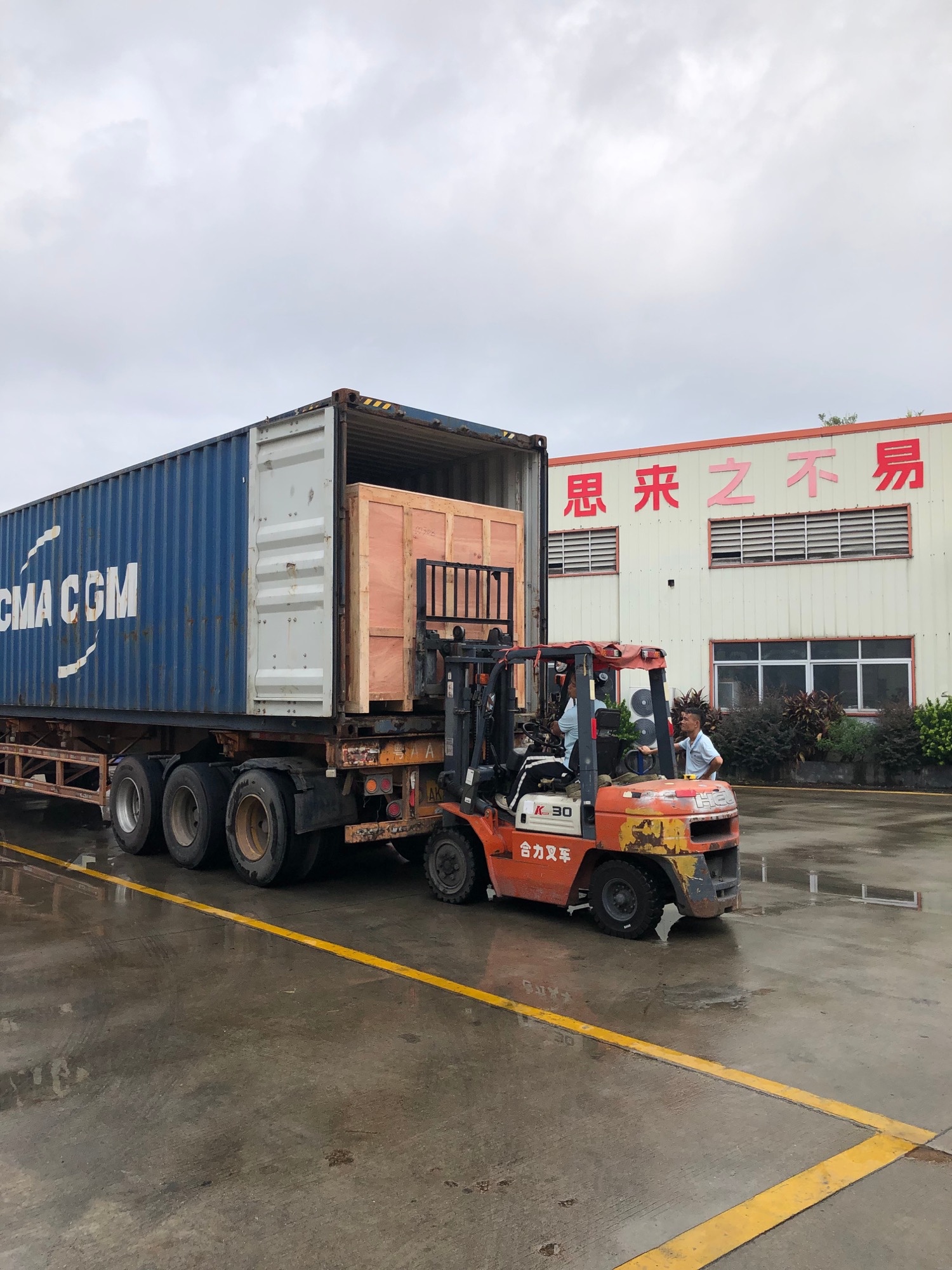
Packaging starts with the equipment list and transport route.
A drying system may include heat-pump units, fan assemblies, control cabinets, sensors, trolleys, trays, duct or room components and smaller accessories. Shipping preparation should connect each physical item to an equipment list and destination. Removable items need identification so they can be found and installed correctly after arrival.
The joint IMO/ILO/UNECE CTU Code is a non-mandatory global code of practice for packing cargo transport units. It emphasizes suitability, packing, securing, information flow and receipt. Project parties must still determine applicable carrier, port, customs, dangerous-goods and local legal requirements. This page does not define a universal HPDRYER packaging standard.
Make every delivery unit reconcilable.
Equipment Tag
Match the shipment unit to the project equipment list and installation location.
Loose Parts
Group sensors, fasteners, cables and accessories with clear package references.
Document Reference
State the current packing list, drawing or assembly reference without exposing confidential details publicly.
Handling Information
Identify mass, dimensions, center-of-gravity or lifting restrictions when required by the actual item and handler.
Match protection to the component and agreed transport conditions.
| Shipment item | Planning concern | Project-specific confirmation |
|---|---|---|
| Heat-pump equipment | Impact, orientation, exposed connections and removable panels. | Handling points, restraints, permitted orientation and external protection. |
| Electrical cabinet | Moisture, vibration, doors, instruments and loose internal items. | Closure, internal restraint, moisture protection and arrival inspection. |
| Sensors and accessories | Loss, crushing, connector damage and identification. | Individual packing, labelled group and packing-list reference. |
| Fan assemblies | Frame distortion, blade contact and motor exposure. | Support and restraint method based on visible lifting and support points. |
| Panels and room parts | Edge damage, surface damage, stack stability and unloading sequence. | Stacking method, spacers, weather protection and sequence. |
| Trolleys and trays | Movement, deformation, contamination and part count. | Bundling, separation, quantity verification and cleaning responsibility. |
The photograph documents a loading scene, not a standing promise.
The authentic HPDRYER photograph shows equipment protected in a wooden outer structure being moved toward a freight container. It supports the factual statement that an equipment-loading activity was photographed. It does not establish the standard packaging supplied for every project, the carrier, destination, delivery date or commercial term.
Before loading, the parties should reconcile the packing list with visible package marks and the container plan. Load distribution, restraint and safe handling should be determined by qualified logistics parties for the actual cargo transport unit and route.
Plan the destination before the container is closed.
- Transport unit: confirm internal dimensions, door opening, payload and condition with the logistics provider.
- Loading order: place items so the planned unloading sequence and access are practical.
- Mass distribution: qualified parties should check distribution and restraint for the actual route and CTU.
- Moisture exposure: consider route duration, climate changes and condensation risk when specifying protection.
- Unloading equipment: confirm forklift, crane, dock, lifting accessories, site access and responsible personnel.
- Arrival record: photograph seal and package condition, compare counts and record visible damage before unpacking.
Coordinate destination readiness with the Industrial Dryer Installation Requirements and commissioning checklist.
Information the buyer should provide early
Destination and Route
Delivery location, expected transport modes and any access restrictions known to the buyer.
Receiving Capability
Available crane or forklift, doorway limits, yard conditions and safe storage area.
Commercial Boundary
Requested Incoterm, responsibility transfer and services to be quoted, all subject to contract confirmation.
Storage Conditions
Expected time before installation and available covered, dry and secure storage.
Packaging and shipping questions
Is one packaging method used for every dryer?
No. Component sensitivity, route, duration, climate, handling and contractual scope change the plan.
Does HPDRYER promise a specific Incoterm or port service here?
No. Commercial terms and services must be stated in the project quotation and contract.
Who confirms container restraint?
Qualified logistics parties should determine restraint and load distribution for the actual cargo and route.
What should be checked at arrival?
Record container and package condition, reconcile counts, isolate visible damage and notify the responsible party before installation.
Connect delivery with documents and site readiness.
Include delivery constraints in the project brief.
Share the destination, access, lifting, storage and commercial-boundary information available for project review.