
Color Retention and Browning Control During Drying
Build a measurable color-control plan around preparation, oxygen exposure, process history and reference samples.
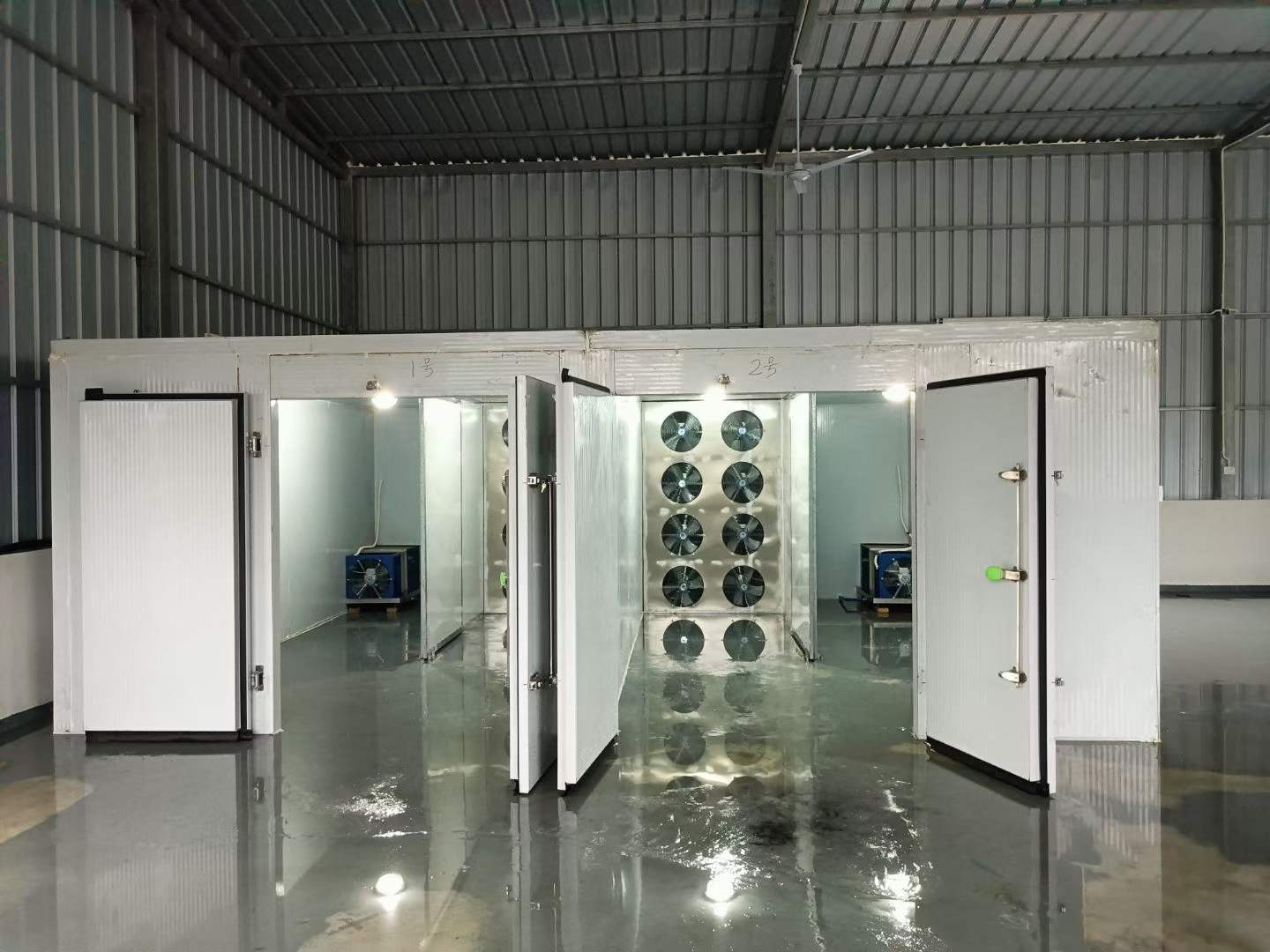
Color control needs a reference and a process record
Color change during drying can reflect enzymatic reactions, non-enzymatic browning, oxygen exposure, preparation, moisture history and heat exposure. A useful control plan defines the material condition, reference sample, measurement method, process stage and acceptance basis. It should distinguish an observed color difference from a proven cause. Avoid universal temperature, residence-time or pretreatment claims; product response must be established by appropriate testing.
Connect preparation to the drying history
Material condition
Record maturity, variety or lot distinction where relevant, surface condition, cut size and time between preparation and loading.
Oxygen exposure
Document handling, exposed surface, air path and any approved project-specific pretreatment boundary. Do not imply a chemical outcome without evidence.
Temperature and time
Record the process trajectory and residence history rather than a single displayed setpoint. The temperature and humidity page explains measurement context.
Moisture removal
Changes in moisture and surface condition can alter appearance. Relate color observations to moisture basis and sample timing.
Use reference samples and a defined method
| Control item | What to define | Why it matters | Record |
|---|---|---|---|
| Reference sample | Material identity, storage and image or instrument basis | Prevents a moving visual standard | Sample code, date and condition |
| Color method | Visual comparison or specified instrument method | Different methods are not automatically equivalent | Location, lighting or instrument details |
| Preparation | Cut size, surface condition and time to loading | Preparation can change exposed area and reaction opportunity | Lot, operator and timestamp |
| Process history | Temperature, humidity, time, loading and airflow observations | Links the result to a repeatable condition | Trend, batch record and sample position |
| Quality decision | Agreed color range and related criteria | Color alone may not define usability | Accepted, rejected or further test |
Test one change with a comparable basis
Start with a representative sample and a reference from the agreed material basis. Record initial condition, preparation, load arrangement, air observations and sample timing. If a change is made to preparation, airflow, staging or control, keep other conditions as comparable as practical. The trial and validation guide can structure the record.
Review color together with moisture, dimensions, texture and any customer-defined criterion. A visual improvement under one lighting condition does not prove chemical stability or a food-safety result. If a technical treatment or pretreatment is being considered, its suitability, compliance and effect must be separately reviewed by the responsible project parties.
Separate observation from cause
Use troubleshooting records to document when browning appears and whether it is uniform or localized. Use airflow review when tray or room position correlates with the result. Use the quality-control criteria page to define how the color decision is sampled and approved. These links organize the investigation; they do not replace material testing or specialist product review.
Questions buyers ask
Is browning always caused by excessive temperature?
No. Preparation, oxygen exposure, moisture history, material condition and process time can also contribute.
Can a photograph define acceptance?
It can support a reference, but lighting, camera settings and sample condition must be controlled.
Should color be measured with moisture?
Yes, because color observations without process and moisture context can be difficult to interpret.
Does a closed-loop system guarantee color retention?
No. System architecture is one engineering factor, not a product-quality guarantee.
Are pretreatments included in a dryer specification?
Not automatically. Any pretreatment, compliance and quality effect must be defined separately.
Build a traceable quality review
Do not hide variation inside a visual average
Photographs and visual scores are most useful when the lighting, background, sample orientation and reference are controlled. If an instrument is used, record the location, method, calibration status according to the instrument procedure and whether the surface was representative. Take more than one observation where the load or material varies. Keep rejected, accepted and undecided samples identifiable.
Color should be interpreted with the rest of the process record. A darker area may coincide with a dense layer, different thickness, longer exposure or a preparation delay, but correlation is not proof. Use the quality-control framework to state how the result is judged, and keep any treatment, formulation or food-safety decision outside an unverified equipment claim.
Agree the quality question before testing
A color study may ask whether a reference appearance is retained, whether variation is reduced, or whether a process change affects a separate quality attribute. Write the question first. Define sample identity, preparation timing, comparison condition, measurement method and decision owner. If the product will be stored or further processed, state when the comparison is made.
These details help the engineering team distinguish a dryer-related observation from a raw-material or handling effect. They also make later trials more comparable without implying a universal product standard.
Plan a color-retention evaluation
Send the material form, reference method, preparation steps and available process record to sales@hpdryer.com.