
Industrial Drying in High-Humidity Climates
Quick Answer
High ambient humidity can reduce the moisture-pickup potential of untreated fresh air and can change open-loop exhaust requirements. It does not identify one universally correct dryer. Engineers should compare hourly climate conditions, material limits, moisture load, room leakage, airflow, condensate handling and control strategy. Open-loop, closed-loop and mixed-air arrangements must be evaluated against the same project inputs rather than a regional label alone.
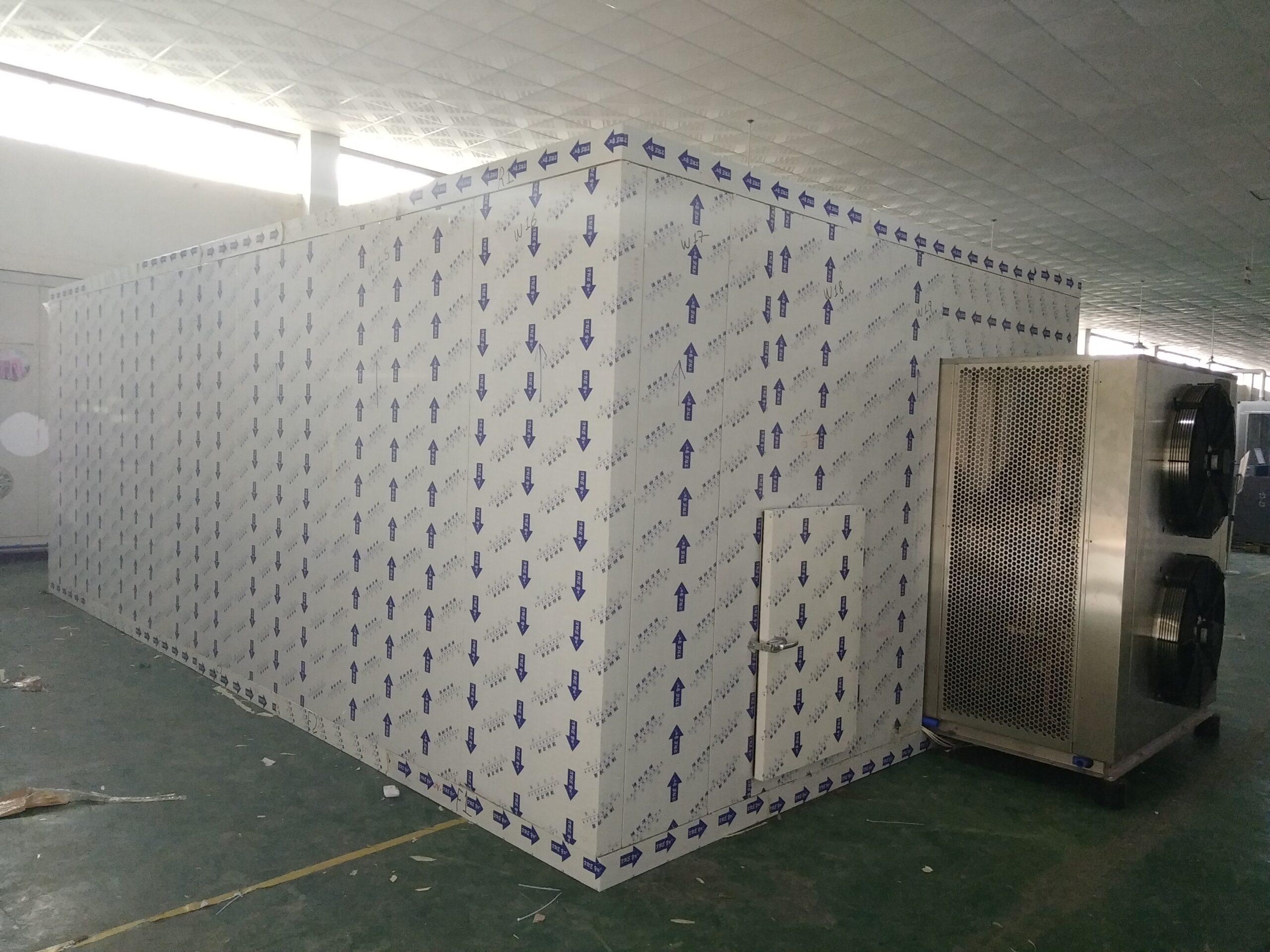
Humidity ratio and air condition matter more than relative humidity alone.
Drying air accepts moisture according to its complete thermodynamic condition and the material surface condition. Relative humidity changes with temperature, so one relative-humidity percentage does not fully describe how much vapor the air contains. ASHRAE defines humidity ratio as water-vapor mass per mass of dry air and uses it for industrial dryer air and moisture balances. The ASHRAE Industrial Drying Systems chapter relates moisture pickup to the difference between makeup- and exhaust-air humidity ratios.
In humid weather, fresh air may enter with a higher humidity ratio. Heating lowers its relative humidity but does not remove water from that air. The remaining capacity to accept material moisture therefore depends on the intake state, supply temperature, exhaust state and mass flow of dry air.
Open-loop and closed-loop systems respond differently.
| Review point | Engineering consideration |
|---|---|
| Open-loop | Fresh-air condition, intake treatment, exhaust volume, discharge location and room pressure directly affect the air balance. |
| Closed-loop | Process air is recirculated and moisture may be condensed, but room leakage, door openings, coil duty and condensate drainage still require review. |
| Mixed-air strategy | Controlled fresh-air and exhaust positions may be adjusted by operating stage, provided the control sequence and pressure balance are defined. |
| Selection basis | Material, moisture duty, climate profile, room envelope, operating schedule and control requirements must be assessed together. |
See the detailed open-loop system, closed-loop system and architecture comparison pages. Neither architecture is automatically better for every humid-climate project.
Control intake, return, exhaust and condensate as one process.
Fresh-Air Intake
Locate the intake away from wet exhaust, standing water and contamination sources. Record weather exposure and available duct space.
Return Air
Return paths should represent the loaded room and limit bypass around trays, racks, trolleys or deep product beds.
Exhaust
Route moisture-laden air to an acceptable location while considering pressure balance, weather protection and unintended recirculation.
Condensate
Closed-loop dehumidification requires drain capacity, slope, access, cleaning and a discharge point suitable for the installation.
Leakage and uneven airflow can overwhelm control intent.
A room designed for recirculation should limit uncontrolled outdoor-air entry through doors, joints and service penetrations. An open-loop room still needs a planned intake and exhaust balance. Loading depth, tray spacing, trolley position and blocked returns can create wet zones even when the main sensor reports an acceptable condition.
- Envelope: insulation, vapor behavior, seals and door-opening schedule.
- Loading: material form, bed depth, spacing and batch consistency.
- Airflow: supply direction, return location, bypass and pressure loss.
- Sensors: intake, supply, room and return positions chosen for the control question.
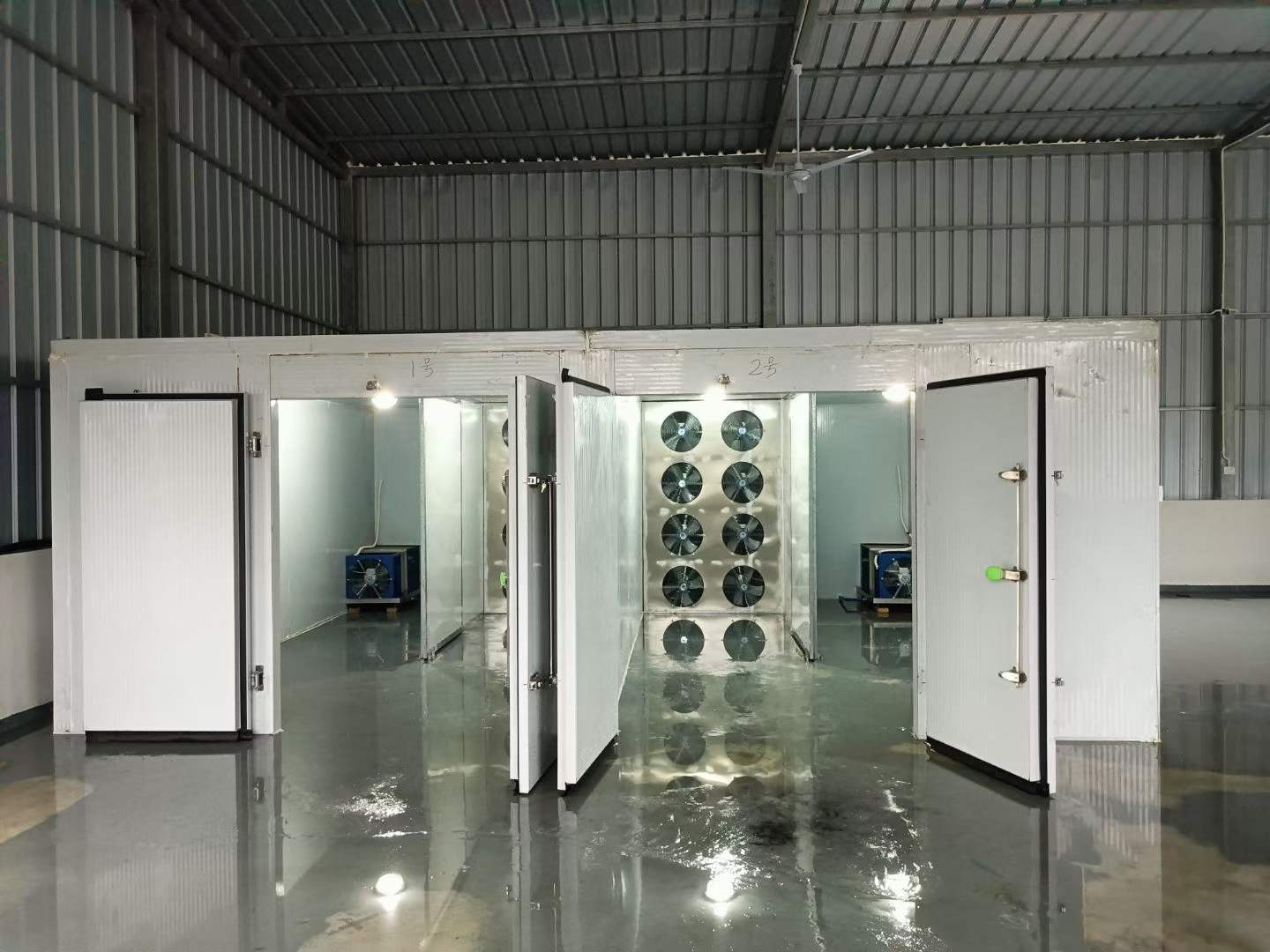
Rainy seasons and daily cycles require a climate profile.
A single design-day value may miss important operating periods. Outdoor temperature and humidity can change between daytime and night, across rainy and dry periods, and during storm events. Review hourly or representative climate data together with the intended production calendar. Controls may need defined responses for intake dampers, exhaust, recirculation, condensation stages and alarms, but the sequence must follow the selected equipment and validated material process.
No regional performance promise should be made without a documented climate basis, verified material information and a complete system boundary.
Provide enough information to test the architecture.
Material and Moisture
Material form, fresh quantity, initial and target moisture, temperature sensitivity and endpoint method.
Climate and Schedule
Site location, representative hourly conditions, rainy-season operation, shifts and planned batch timing.
Room and Loading
Dimensions, insulation, doors, tray or trolley layout, product depth and cleaning workflow.
Utilities and Discharge
Electrical supply, intake and exhaust routes, drainage, equipment space and service access.
Connect these inputs with heat pump drying room design and airflow design.
High-humidity climate questions
Does heating humid air remove its moisture?
No. Heating changes temperature and relative humidity, but water vapor remains unless moisture is exhausted or condensed.
Is closed-loop always required in a humid climate?
No. Selection depends on material, climate profile, moisture load, room, controls, installation and operating requirements.
Can one humidity sensor control the room?
One location may not represent intake, supply, loaded zones and return air. Sensor positions should match the intended control and verification tasks.
Why review condensate drainage?
Condensed water must leave reliably without overflow, blockage, re-evaporation or inaccessible cleaning points.
Continue the climate and room review.
Evaluate climate with the material and complete air path.
Send the available climate, moisture, loading, room, schedule and site information for a project-specific drying architecture review.