
Herbs, Flowers and Botanicals
Tea Leaf Drying Systems
Tea leaf drying must be evaluated within the customer’s actual processing sequence. Leaf condition, process stage, layer depth, moisture load and airflow sensitivity all influence the appropriate HPDRYER system review.
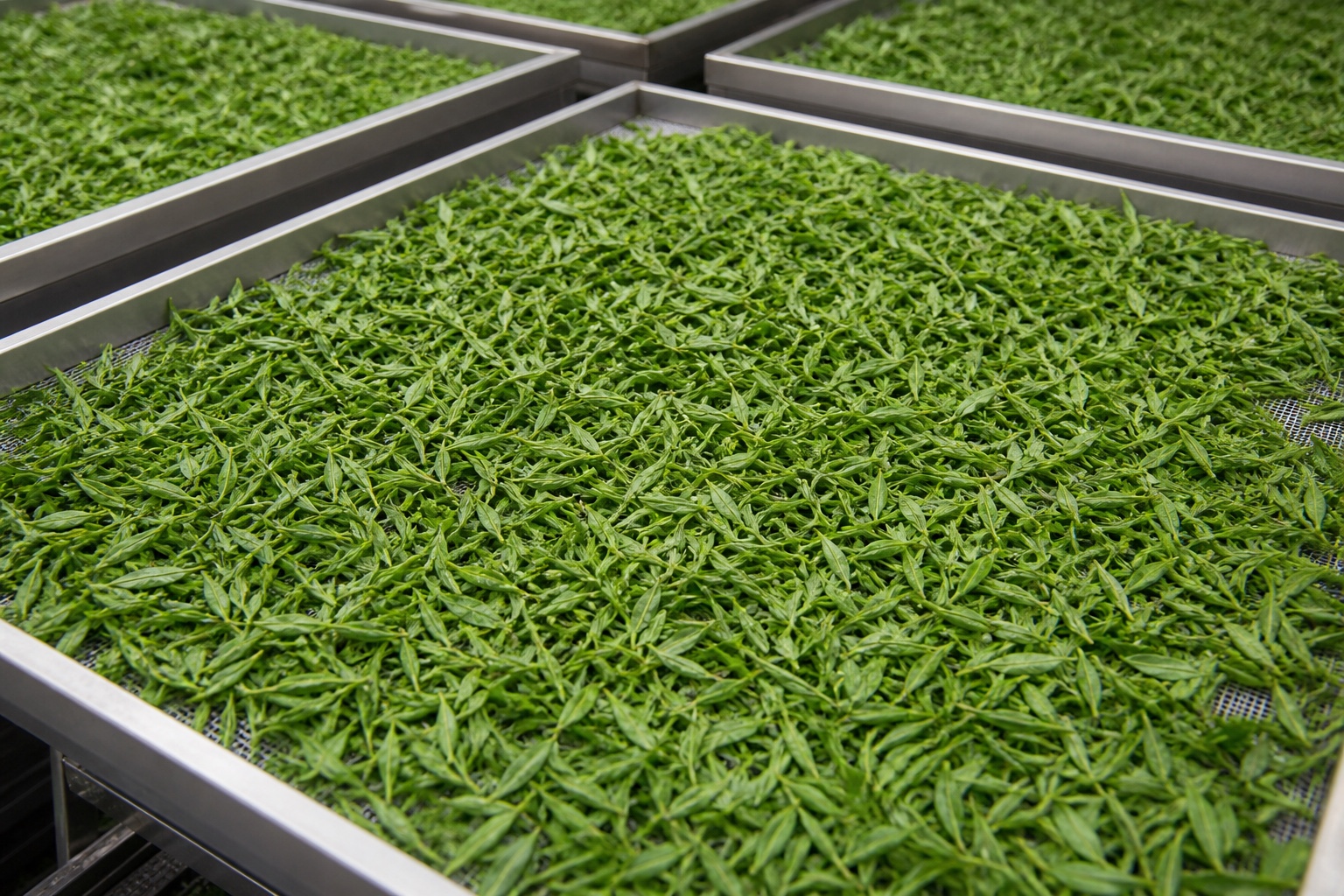
Process Stage
Fresh leaves and partly processed leaves are not the same load
The engineering review should identify when drying occurs in the production process, the incoming leaf condition and any prior withering, rolling or other preparation. These details affect bed structure and moisture movement.
Project inputs
- Tea type and processing stage
- Incoming leaf condition and preparation
- Fresh mass and production schedule
- Initial and target moisture when known
- Layer depth, tray type and trolley arrangement
Engineering considerations
Leaf-bed resistance
Layer depth and leaf shape determine how air passes through and across the loaded tray.
Process sensitivity
Temperature and humidity control should reflect the defined tea process, not a universal recipe.
Gentle circulation
Air distribution should limit leaf movement while avoiding stagnant or bypass areas.
Batch repeatability
Consistent loading and documented incoming condition support meaningful process validation.
System architecture and control
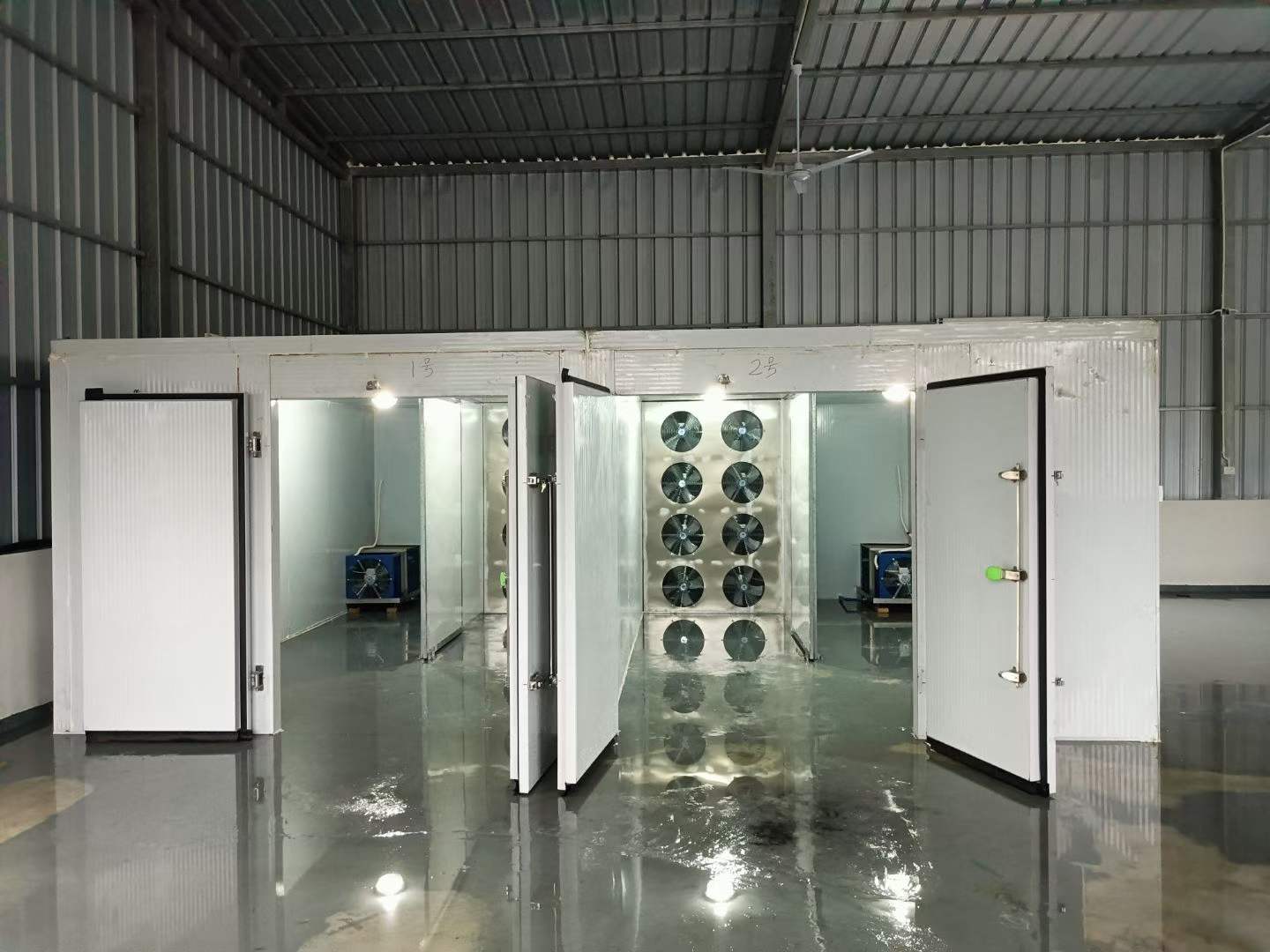
Open-loop or closed-loop operation may be considered according to ambient climate, moisture discharge, room construction and control objectives. Sensor locations and PLC sequence should correspond to the actual supply and return air paths.
Related planning pages
Project Review
Explain where drying fits in your tea process
Provide the tea type, processing stage, incoming moisture, fresh quantity and loading arrangement.